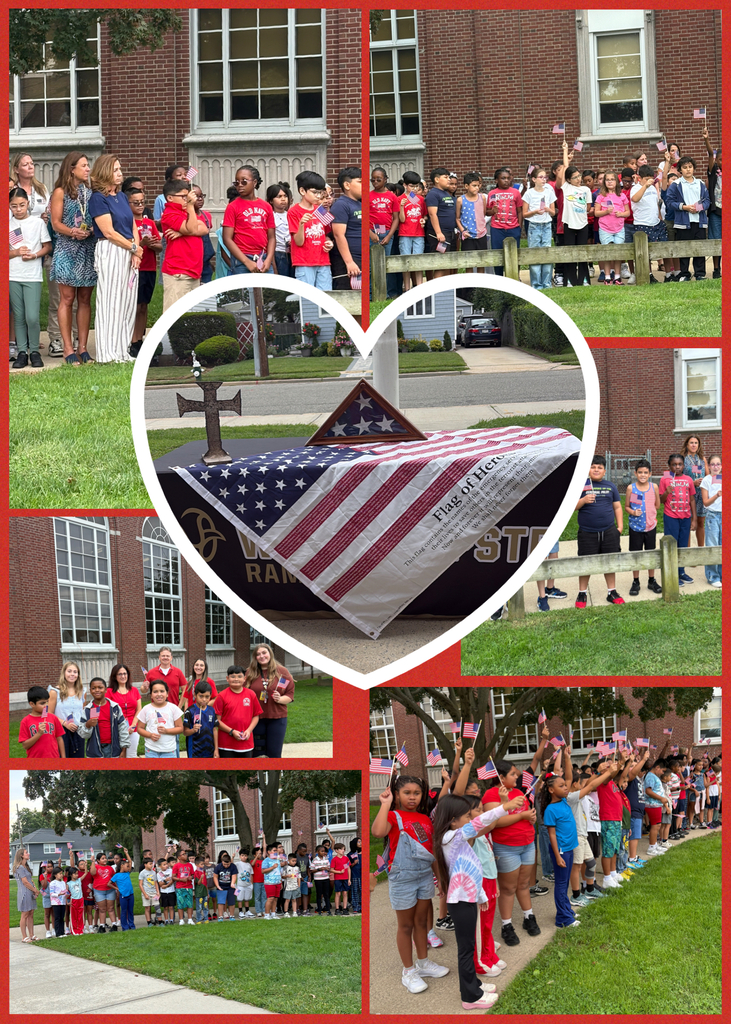

Our students are learning, reflecting, and making healthy choices during Red Ribbon Week! Through engaging activities and meaningful conversations, they’re building awareness about the importance of staying drug-free and supporting one another.
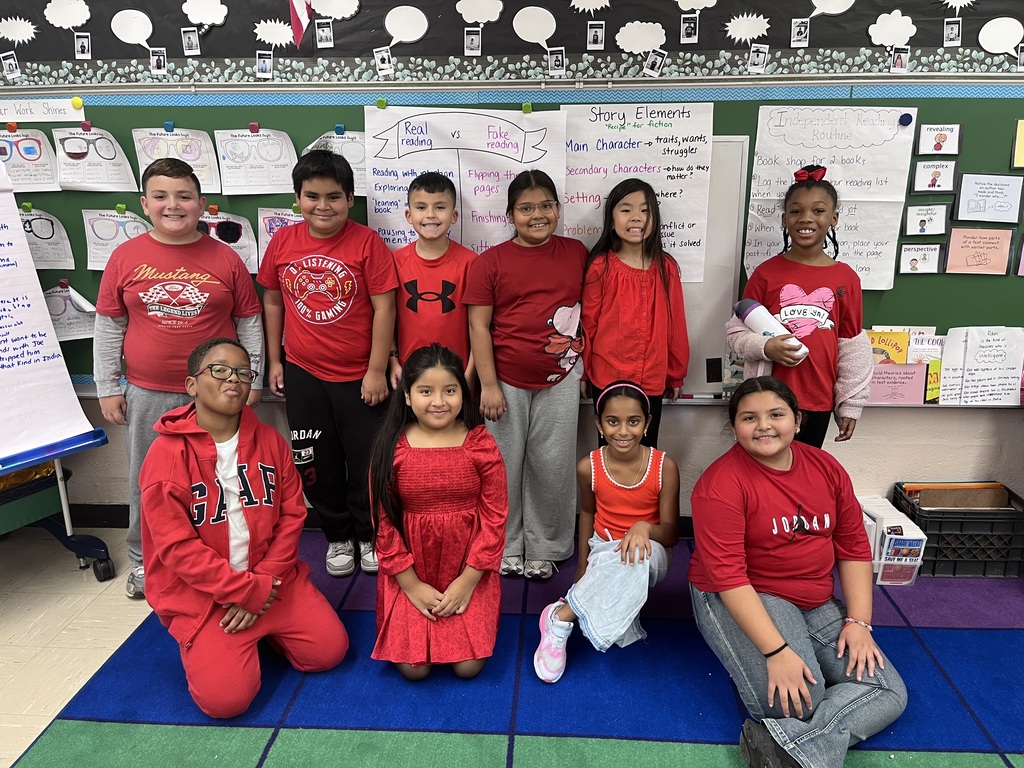
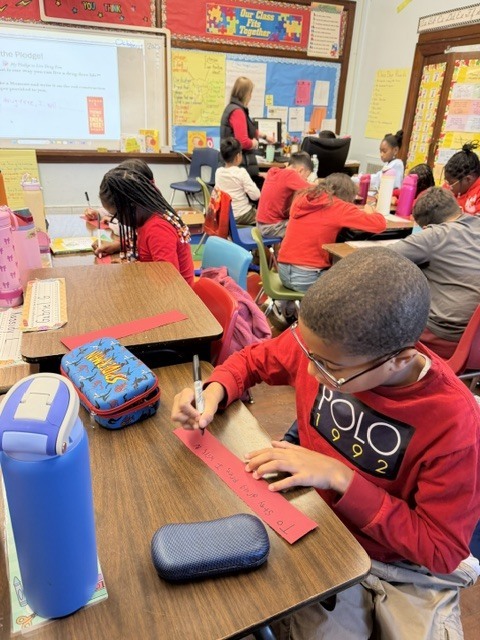
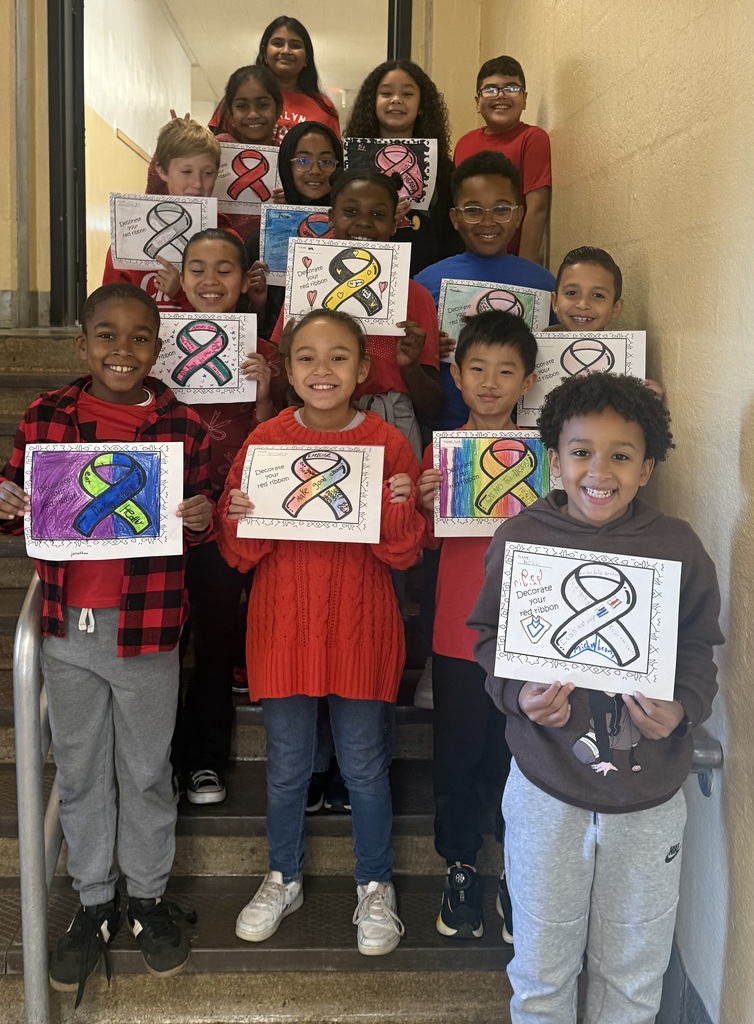
Ms. Kachejian's fourth graders are RED-y to make a difference! Today, our students wore red to kick off Red Ribbon Week and show their commitment to making healthy, positive choices.
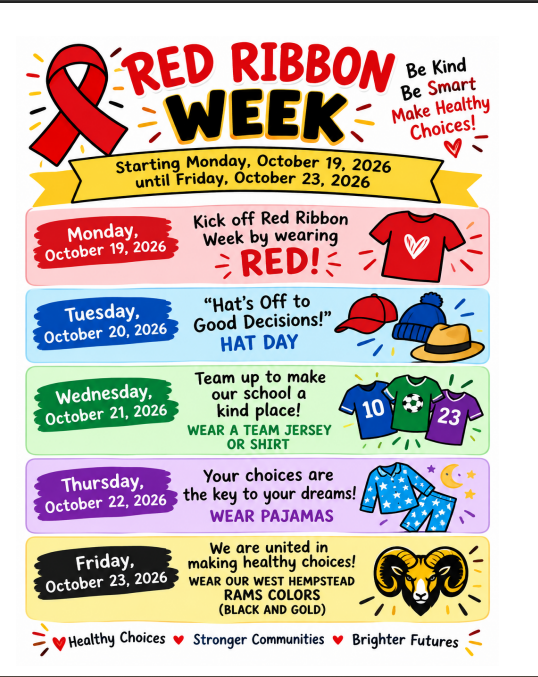
Red Ribbon Week starts Monday! Let’s kick off the week by showing our commitment to making healthy, positive choices. Families, don’t forget to wear RED on Monday as we come together to celebrate Red Ribbon Week!
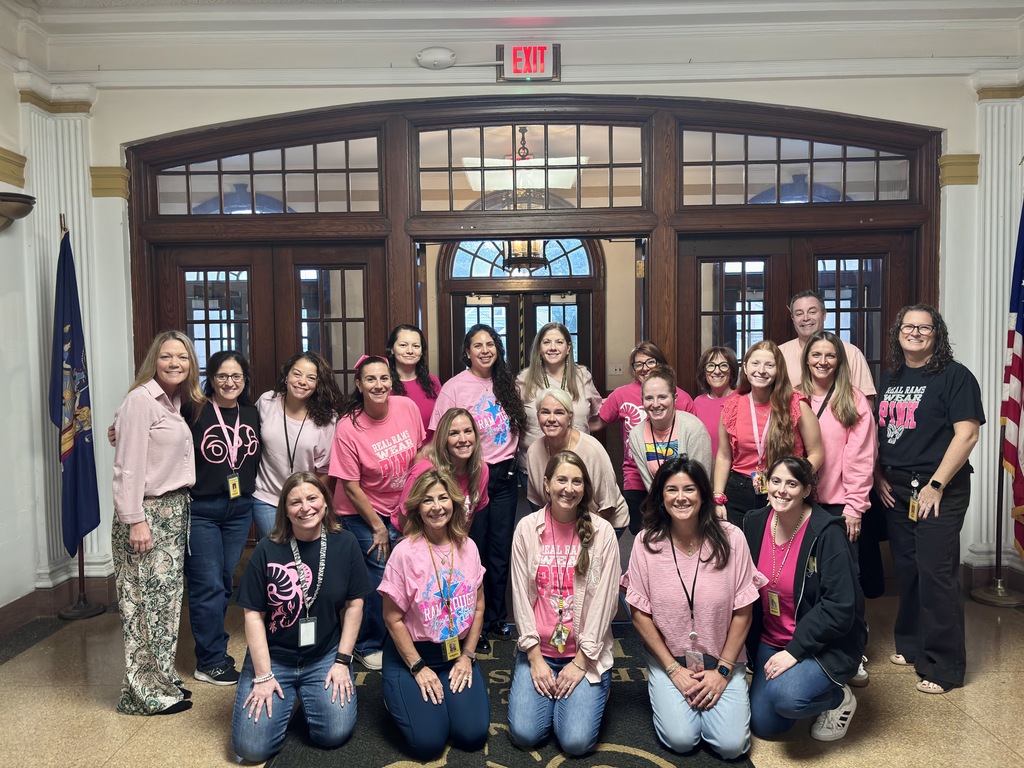
Standing together in pink! The GW team is proud to wear pink in support of Breast Cancer Awareness Month. Together, we honor those affected, celebrate survivors, and support the ongoing fight against breast cancer.
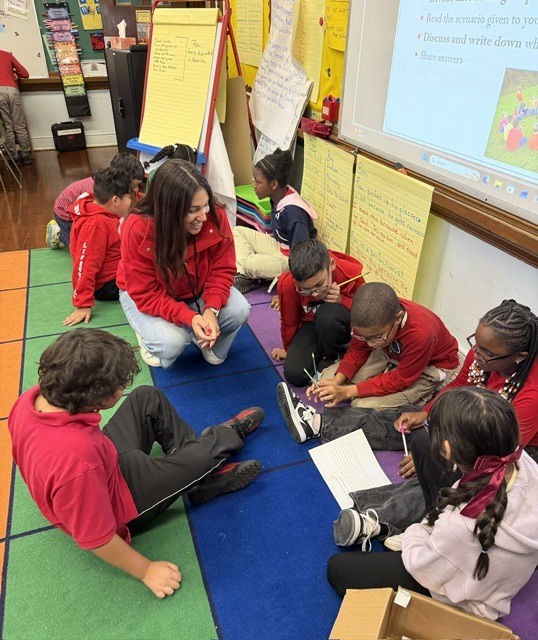
Fourth graders kicked off Unit 2 by collecting and analyzing data, then representing their findings on line plots! Students put their math skills into action as they made sense of data and reported their results. Way to start the unit strong!
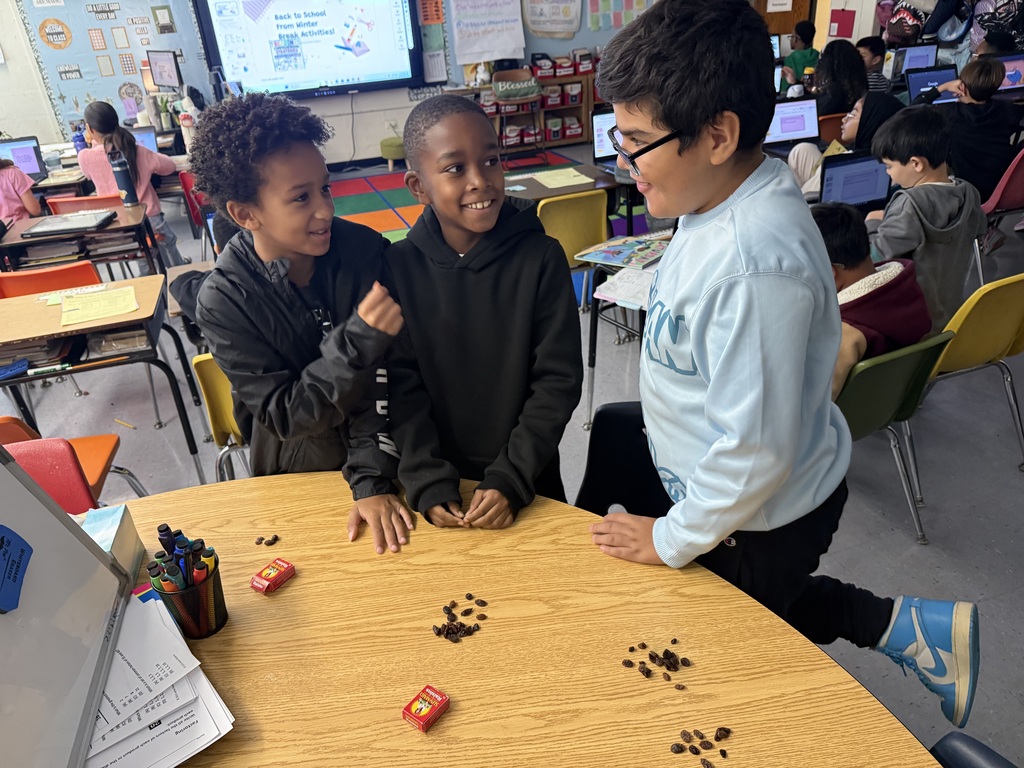
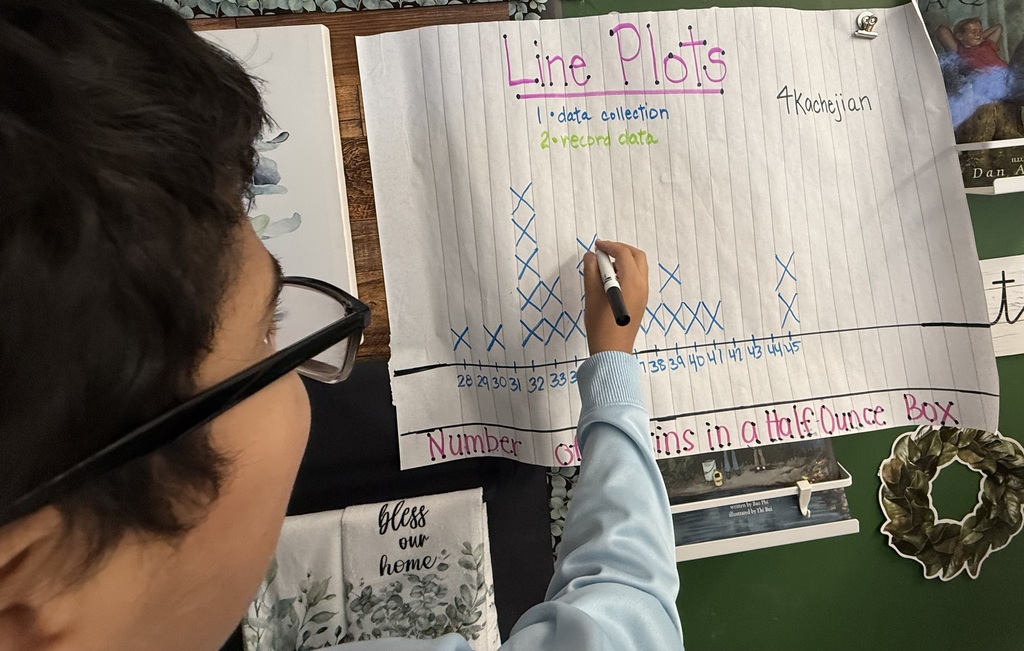
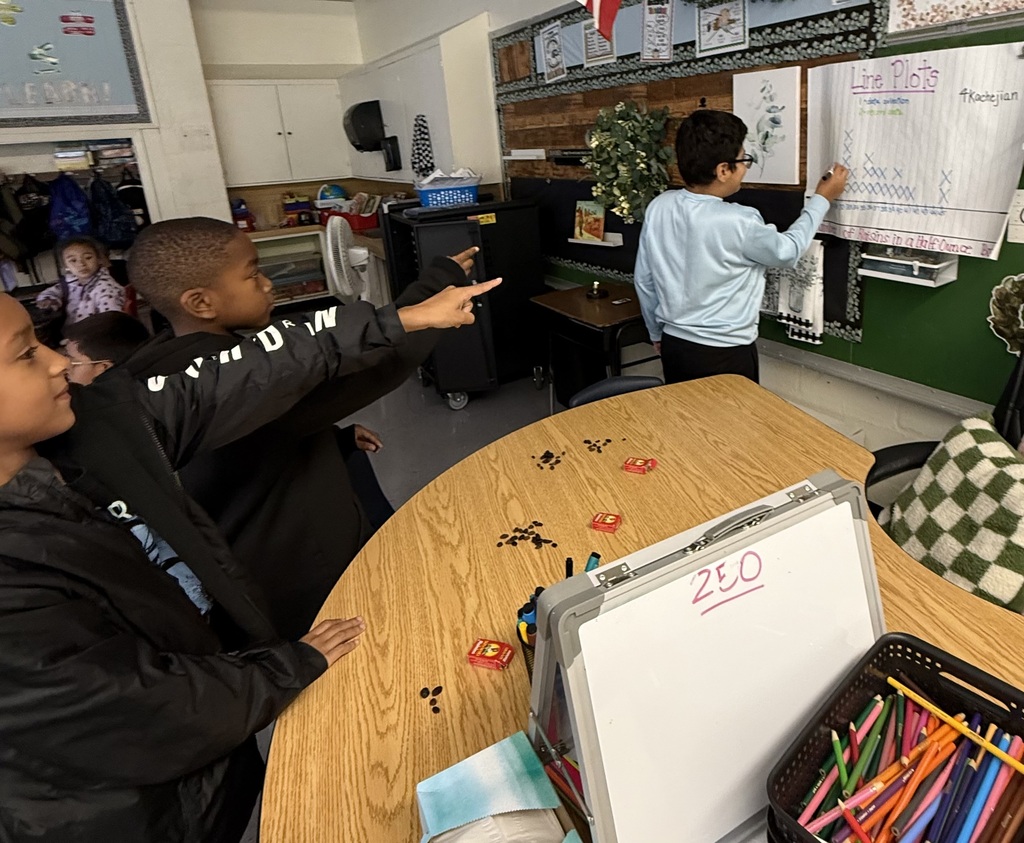
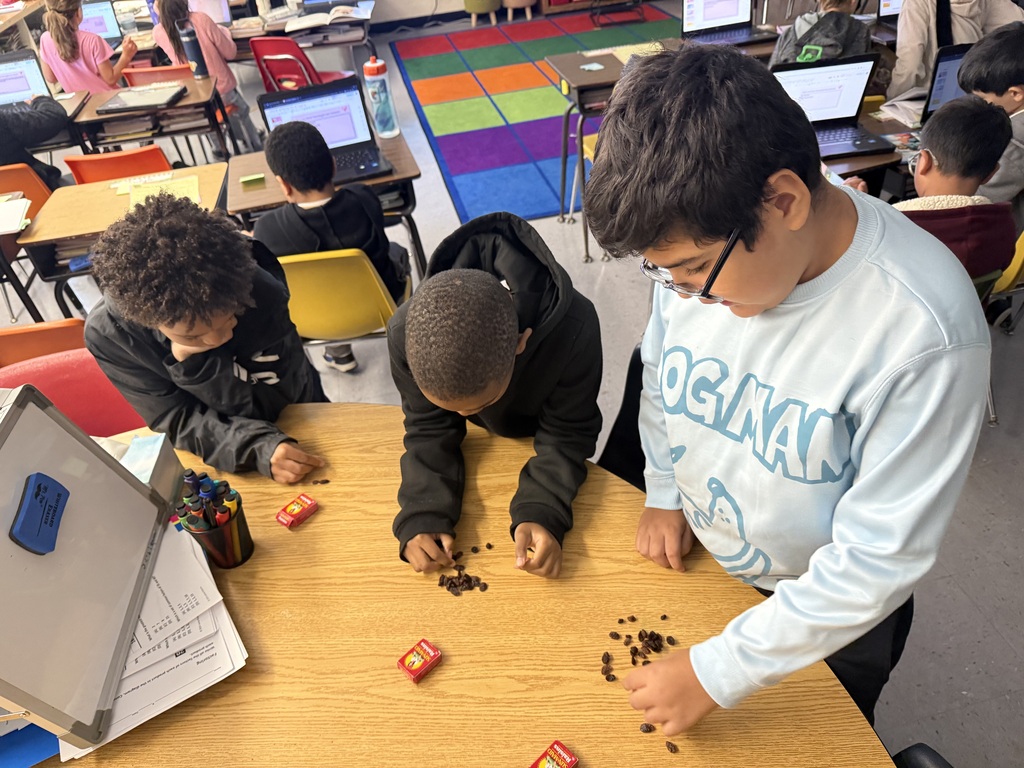
Congratulations to Greysen on earning our Habits of Mind (HOM) Award for Applying Past Knowledge to New Situations! Greysen did an outstanding job taking what he learned in science class and applying that knowledge to his work in STELLAR. His ability to make meaningful connections and transfer his learning to a new setting is truly something to celebrate!
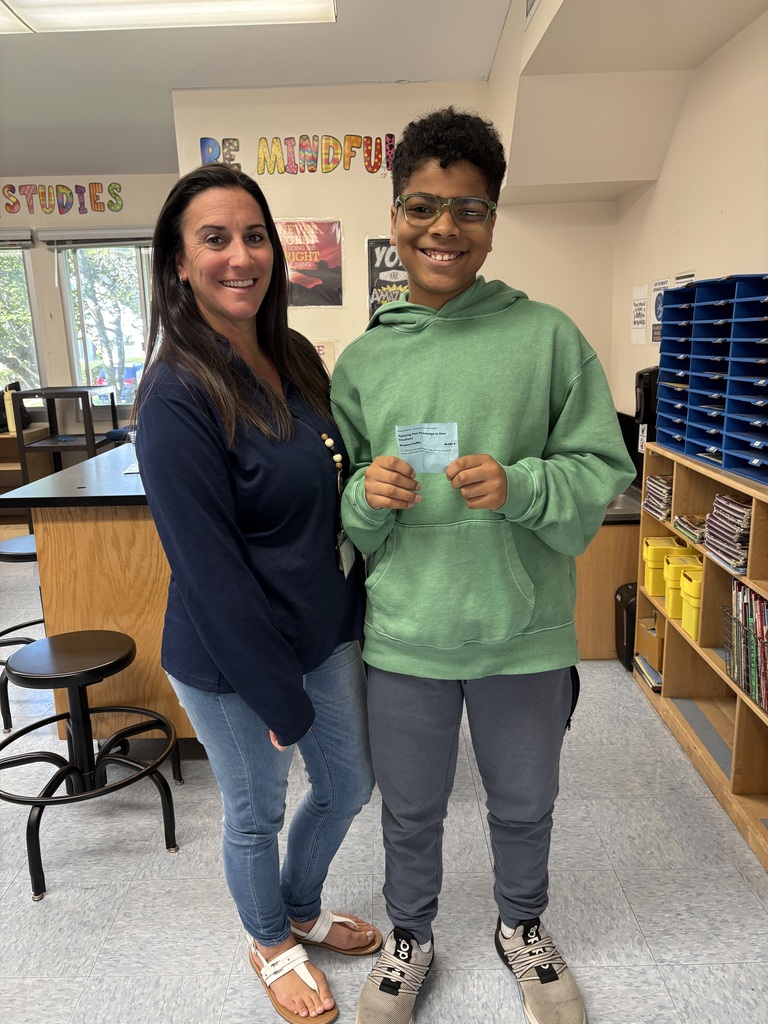
Registration is NOW OPEN for West Hempstead Ram Pathways!
Our 21st Century FREE After-School Program is available for students in Grades K–6!
Scan the QR code on the flyer to learn more and register today!
Our 21st Century FREE After-School Program is available for students in Grades K–6!
Scan the QR code on the flyer to learn more and register today!
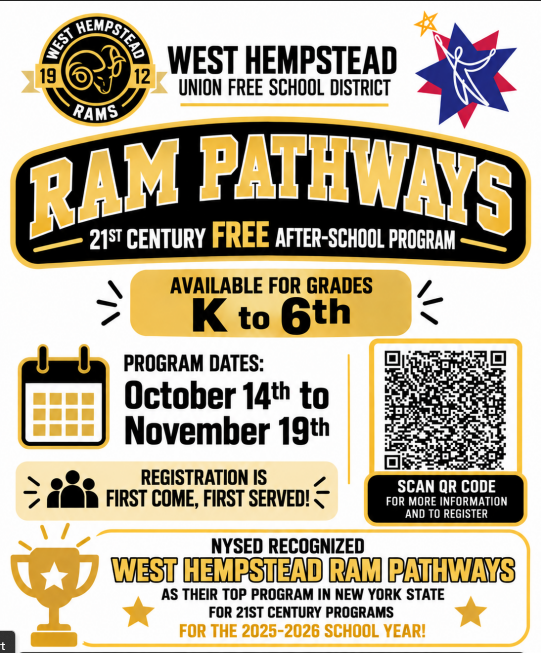
❤️🤍 Red Ribbon Week is coming! ❤️🤍
We’re excited to celebrate Red Ribbon Week, October 19–23! 🎉 Our students will participate in fun, meaningful activities throughout the week to promote making healthy choices.
We’re excited to celebrate Red Ribbon Week, October 19–23! 🎉 Our students will participate in fun, meaningful activities throughout the week to promote making healthy choices.
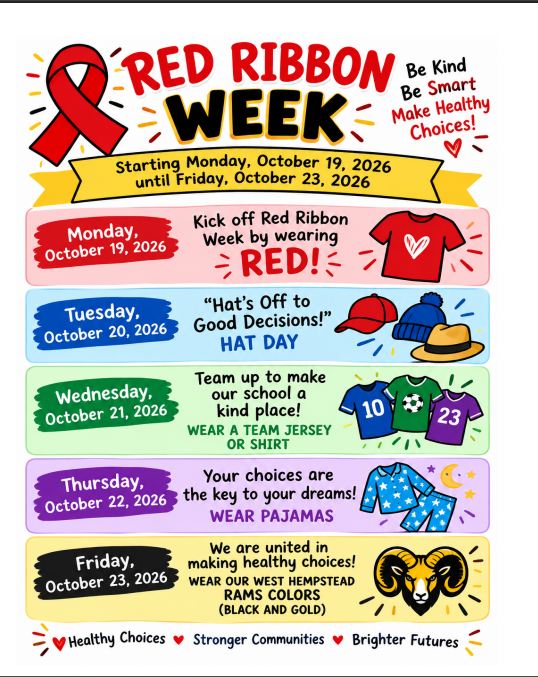
Congratulations to our September Habits of Mind winners! This month, we celebrated Persisting—staying determined, trying new strategies, and keeping a positive attitude when learning gets challenging. We’re proud of your perseverance and hard work! Keep trying!
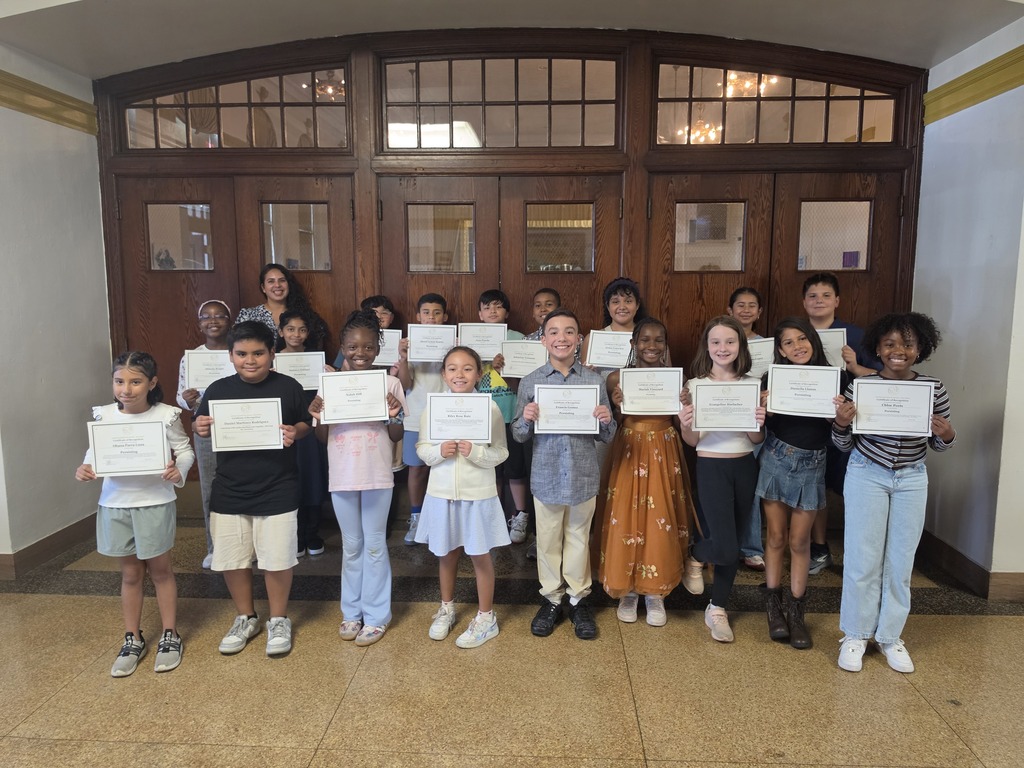
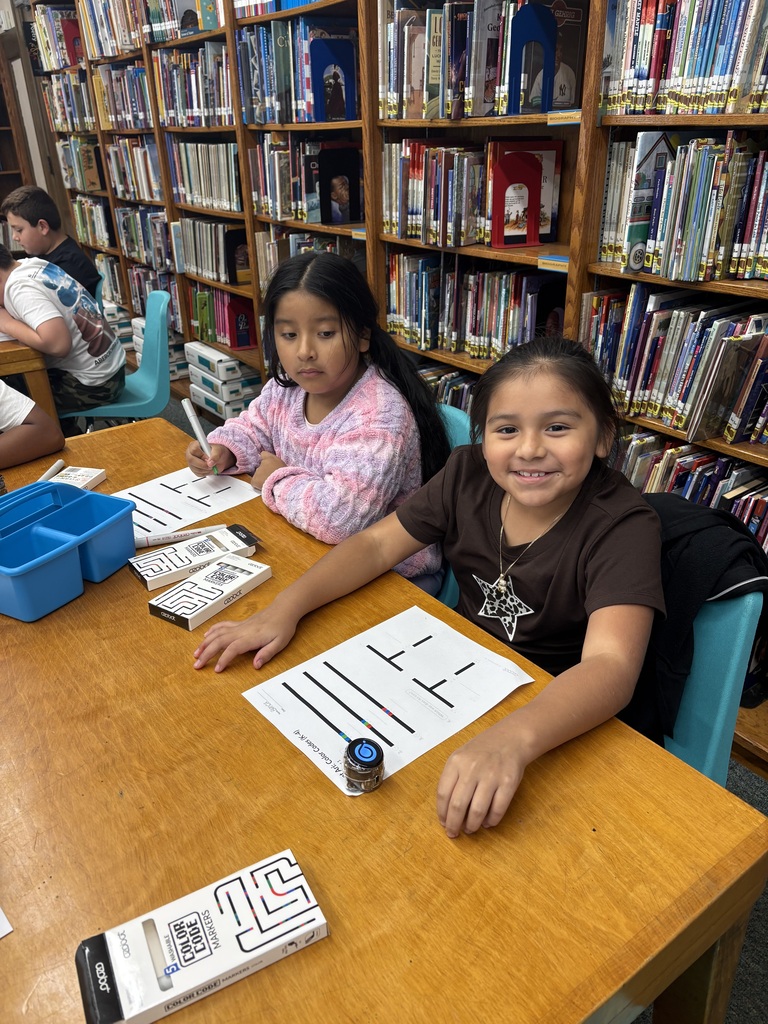
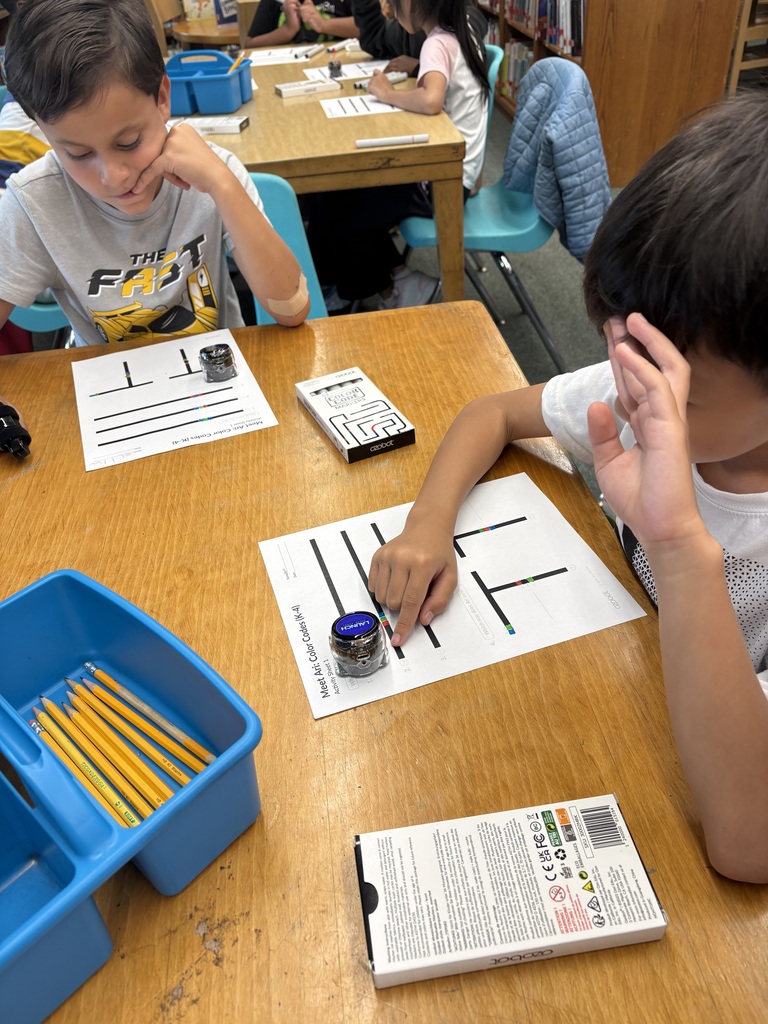
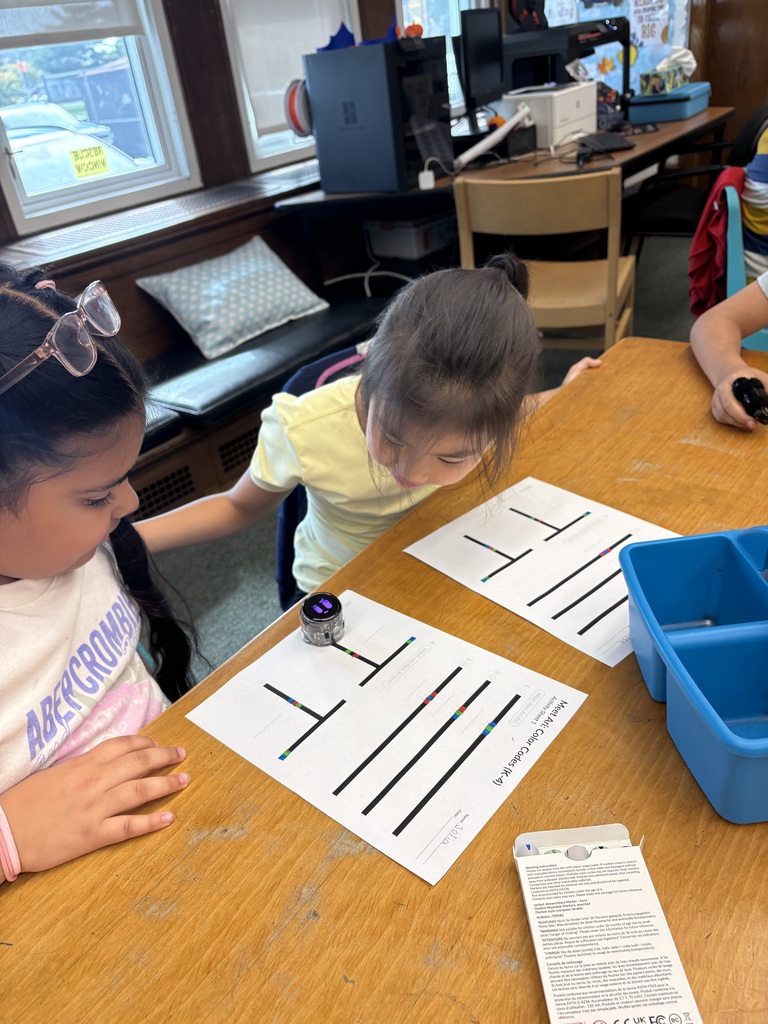
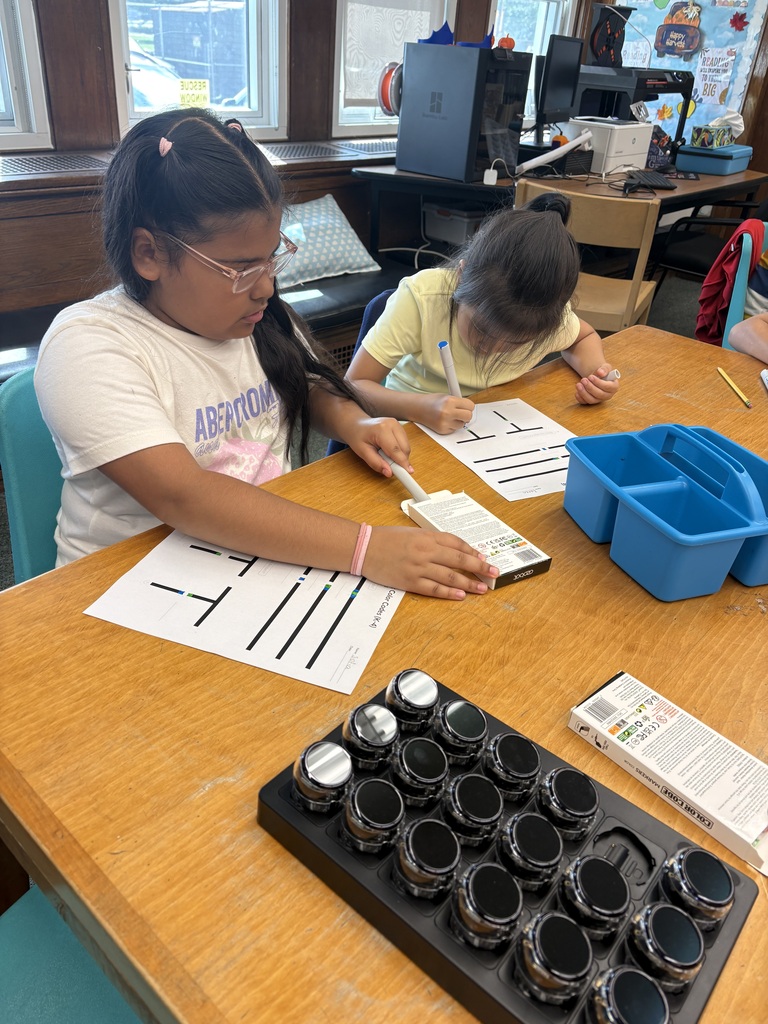
Our 4th graders are diving into the world of coding with Ari the Ozobot for the very first time! Through hands-on exploration, creativity, and problem-solving, students are learning how to bring their coding ideas to life. So much excitement and discovery are happening in STELLAR!

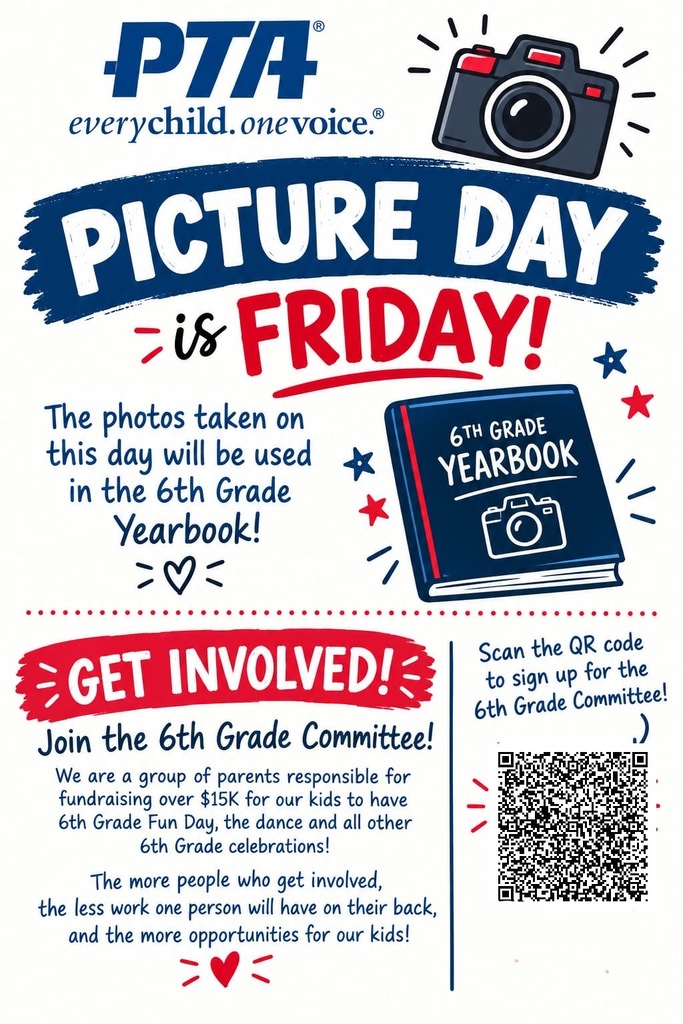
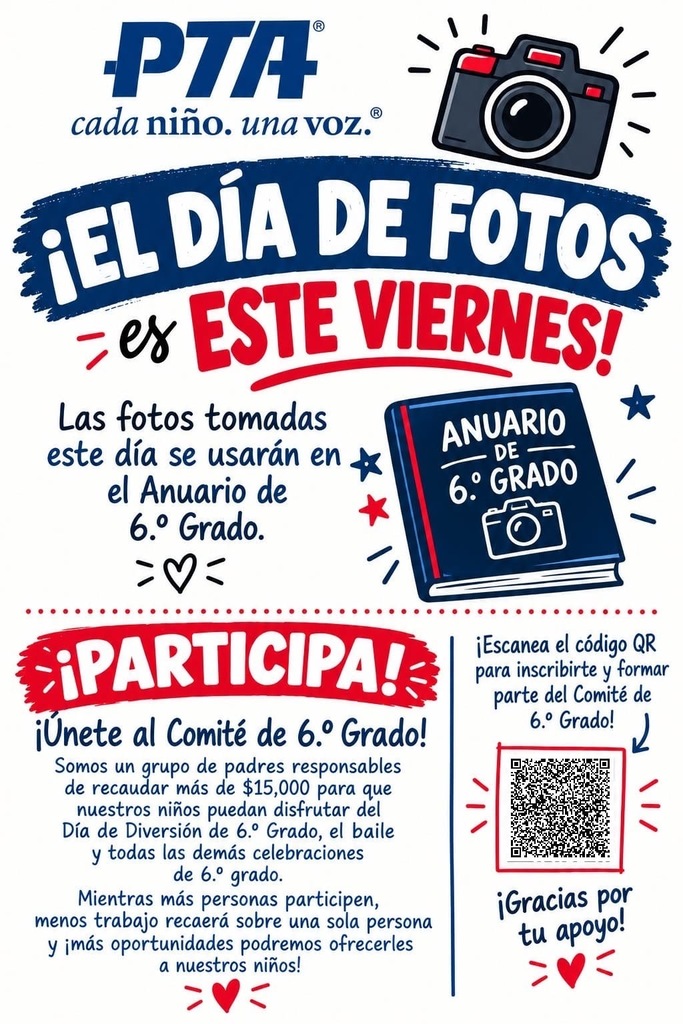
📸 Picture Day is FRIDAY! Photos taken will be used in the 6th Grade Yearbook! Parents: join the 6th Grade Committee to help fund Fun Day, the dance & more. Scan the QR code on the flyer to sign up!
@WHChestnut @WH_Cornwell @WHGWRams
#WHeRiseTogether
@WHChestnut @WH_Cornwell @WHGWRams
#WHeRiseTogether
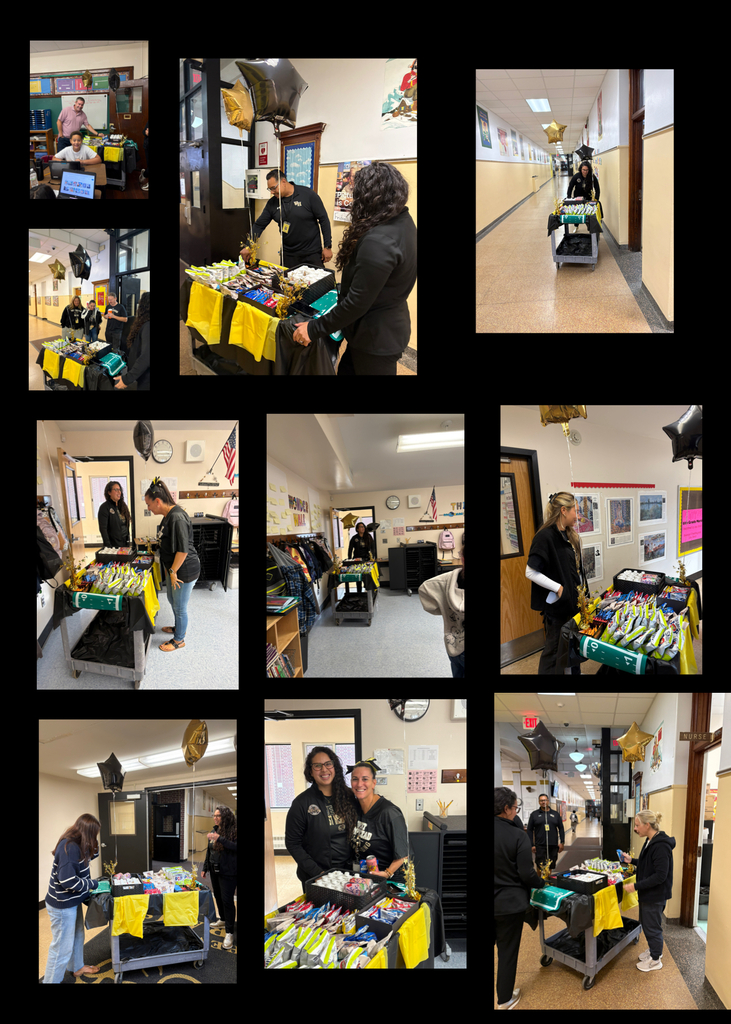
Celebrating our incredible teachers this Homecoming Weekend! GW's principal, Ms. Rivera, surprised our staff with a special snack cart as a token of appreciation for their dedication and commitment to our students. Thank you for all you do! # RamPride #WHe
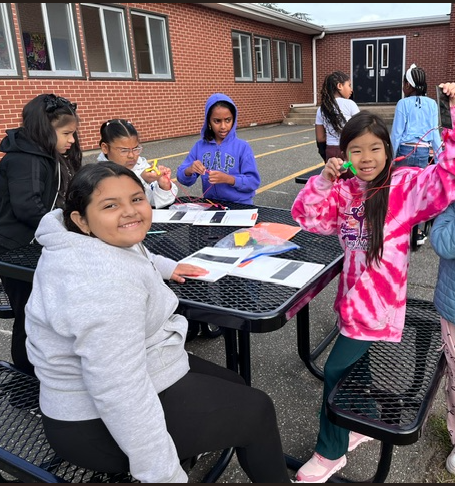
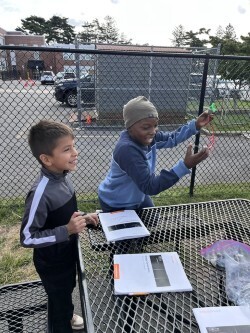
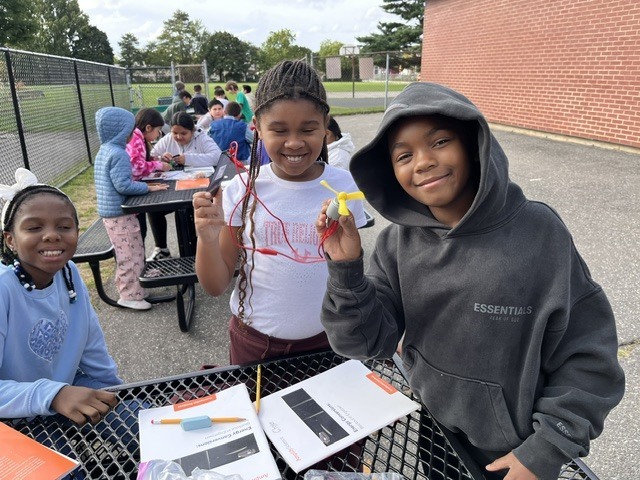
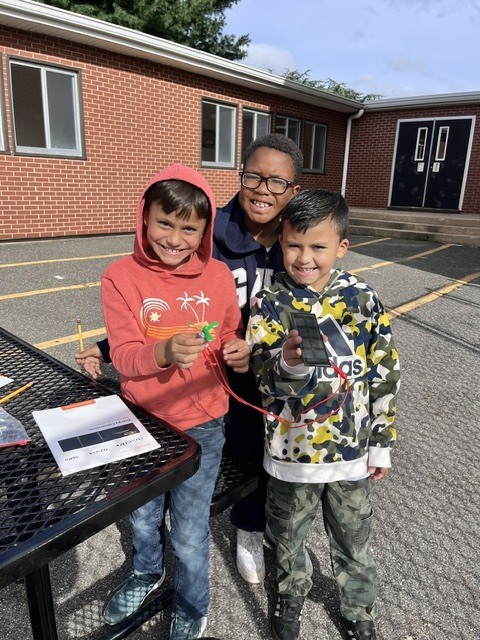
Young scientists in action! Our 4th graders from Ms. Sheehy’s class worked together to design and build a functioning electrical system—putting collaboration, creativity, and problem-solving skills to work!
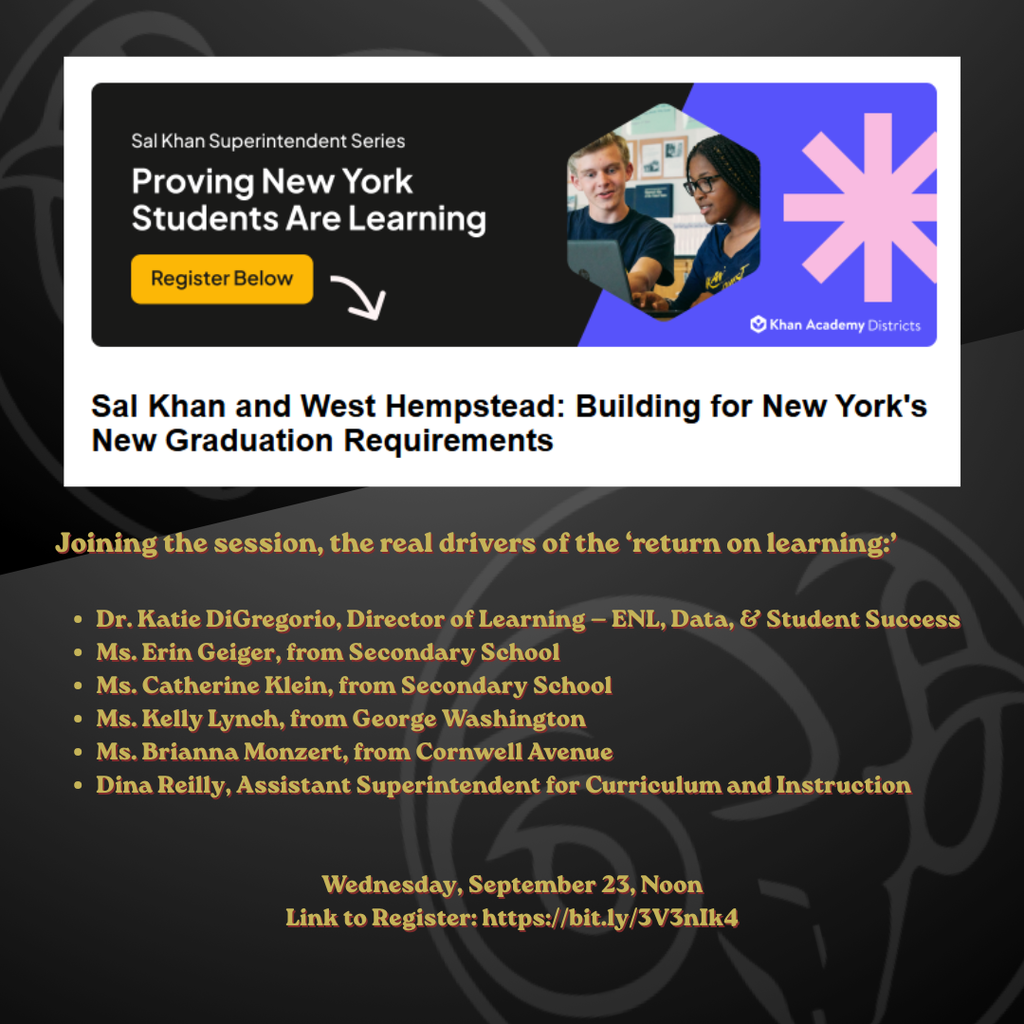
Sal Khan and West Hempstead: Building for New York's New Graduation Requirements
Live Conversation | September 23, 2026 | 12:00 PM ET
West Hempstead UFSD has spent eighteen months turning Khan Academy from an informal classroom tool into a districtwide practice, now used daily by classroom teachers, ENL staff, intervention specialists, speech therapists, and PE teachers, reaching approximately 1,660 students across the district.
On September 23, Sal Khan will join the teachers and leaders behind that work for a live conversation:
Dina Reilly, Assistant Superintendent for Curriculum and Instruction
Dr. Katie DiGregorio, Director of Learning — ENL, Data, & Student Success
Ms. Brianna Monzert, Cornwell Avenue School
Ms. Kelly Lynch, George Washington Intermediate School
Ms. Catherine Klein, Secondary School
Ms. Erin Geiger, Secondary School
Topics will include:
Why West Hempstead built toward New York's new graduation requirements before the rules were finalized
What skill-level mastery data reveals that a report card cannot
Why teachers were asked to try AI tools a set number of times, not to master them, and why that approach succeeded where a mandate would not
How the district responded when students began prompting AI for answers instead of using it to learn
Districts navigating the same shift toward demonstrated proficiency are encouraged to attend.
Register now: khanacademy-org.zoom.us/webinar/register/5217811152917/WN_av6ySJpkSpOL6C4kUVtcjA
Live Conversation | September 23, 2026 | 12:00 PM ET
West Hempstead UFSD has spent eighteen months turning Khan Academy from an informal classroom tool into a districtwide practice, now used daily by classroom teachers, ENL staff, intervention specialists, speech therapists, and PE teachers, reaching approximately 1,660 students across the district.
On September 23, Sal Khan will join the teachers and leaders behind that work for a live conversation:
Dina Reilly, Assistant Superintendent for Curriculum and Instruction
Dr. Katie DiGregorio, Director of Learning — ENL, Data, & Student Success
Ms. Brianna Monzert, Cornwell Avenue School
Ms. Kelly Lynch, George Washington Intermediate School
Ms. Catherine Klein, Secondary School
Ms. Erin Geiger, Secondary School
Topics will include:
Why West Hempstead built toward New York's new graduation requirements before the rules were finalized
What skill-level mastery data reveals that a report card cannot
Why teachers were asked to try AI tools a set number of times, not to master them, and why that approach succeeded where a mandate would not
How the district responded when students began prompting AI for answers instead of using it to learn
Districts navigating the same shift toward demonstrated proficiency are encouraged to attend.
Register now: khanacademy-org.zoom.us/webinar/register/5217811152917/WN_av6ySJpkSpOL6C4kUVtcjA
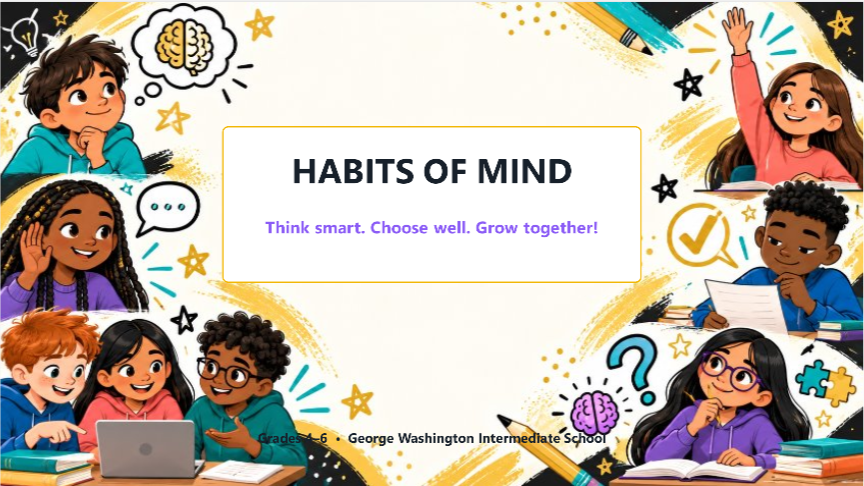
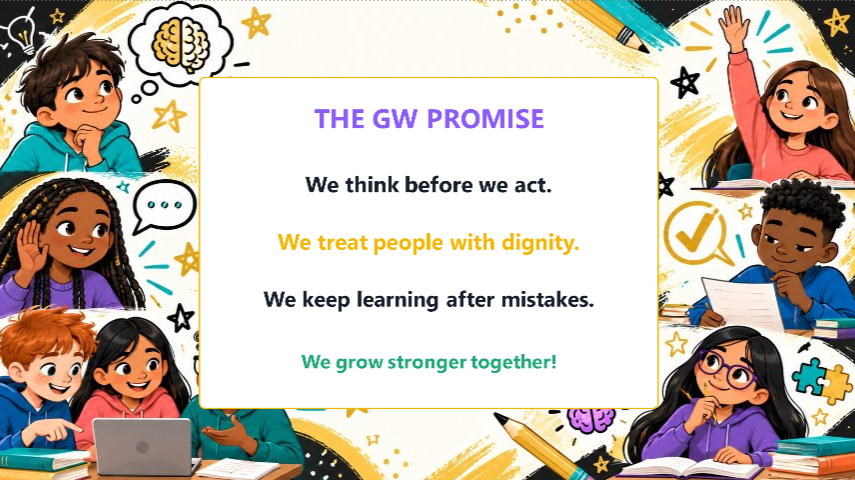
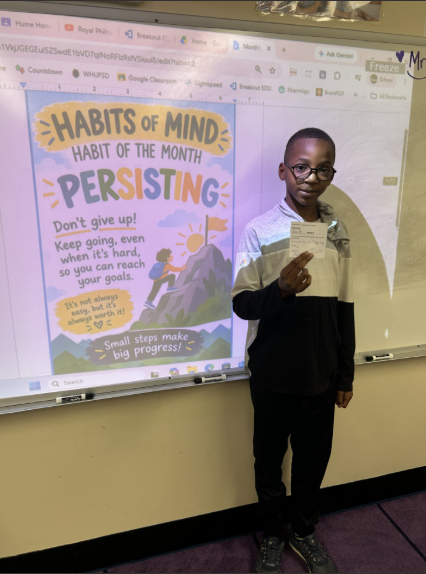
Today, our students came together for an inspiring Habits of Mind Assembly! Our Principal, Ms. Rivera, shared what the Habits of Mind are and how we can use them to become thoughtful, responsible, and successful learners. We were also excited to celebrate our very first Habits of Mind Award recipient! Congratulations to our student for demonstrating these important habits in action!
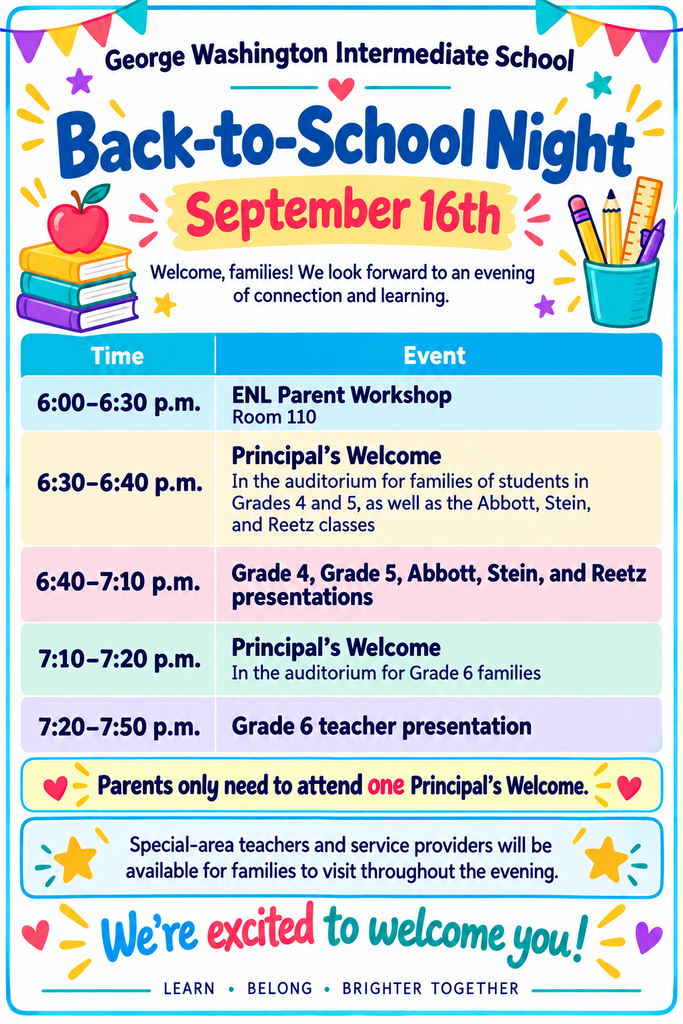
George Washington families, don’t forget: Back-to-School Night is TONIGHT! Come meet the teachers, connect with our school community, and kick off a great year together!
Sal Khan and West Hempstead: Building for New York's New Graduation Requirements
Live Conversation | September 23, 2026 | 12:00 PM ET
West Hempstead UFSD has spent eighteen months turning Khan Academy from an informal classroom tool into a districtwide practice, now used daily by classroom teachers, ENL staff, intervention specialists, speech therapists, and PE teachers, reaching approximately 1,660 students across the district.
On September 23, Sal Khan will join the teachers and leaders behind that work for a live conversation:
Dina Reilly, Assistant Superintendent for Curriculum and Instruction
Dr. Katie DiGregorio, Director of Learning — ENL, Data, & Student Success
Ms. Brianna Monzert, Cornwell Avenue School
Ms. Kelly Lynch, George Washington Intermediate School
Ms. Catherine Klein, Secondary School
Ms. Erin Geiger, Secondary School
Topics will include:
Why West Hempstead built toward New York's new graduation requirements before the rules were finalized
What skill-level mastery data reveals that a report card cannot
Why teachers were asked to try AI tools a set number of times, not to master them, and why that approach succeeded where a mandate would not
How the district responded when students began prompting AI for answers instead of using it to learn
Districts navigating the same shift toward demonstrated proficiency are encouraged to attend.
Register now: khanacademy-org.zoom.us/webinar/register/5217811152917/WN_av6ySJpkSpOL6C4kUVtcjA
Live Conversation | September 23, 2026 | 12:00 PM ET
West Hempstead UFSD has spent eighteen months turning Khan Academy from an informal classroom tool into a districtwide practice, now used daily by classroom teachers, ENL staff, intervention specialists, speech therapists, and PE teachers, reaching approximately 1,660 students across the district.
On September 23, Sal Khan will join the teachers and leaders behind that work for a live conversation:
Dina Reilly, Assistant Superintendent for Curriculum and Instruction
Dr. Katie DiGregorio, Director of Learning — ENL, Data, & Student Success
Ms. Brianna Monzert, Cornwell Avenue School
Ms. Kelly Lynch, George Washington Intermediate School
Ms. Catherine Klein, Secondary School
Ms. Erin Geiger, Secondary School
Topics will include:
Why West Hempstead built toward New York's new graduation requirements before the rules were finalized
What skill-level mastery data reveals that a report card cannot
Why teachers were asked to try AI tools a set number of times, not to master them, and why that approach succeeded where a mandate would not
How the district responded when students began prompting AI for answers instead of using it to learn
Districts navigating the same shift toward demonstrated proficiency are encouraged to attend.
Register now: khanacademy-org.zoom.us/webinar/register/5217811152917/WN_av6ySJpkSpOL6C4kUVtcjA
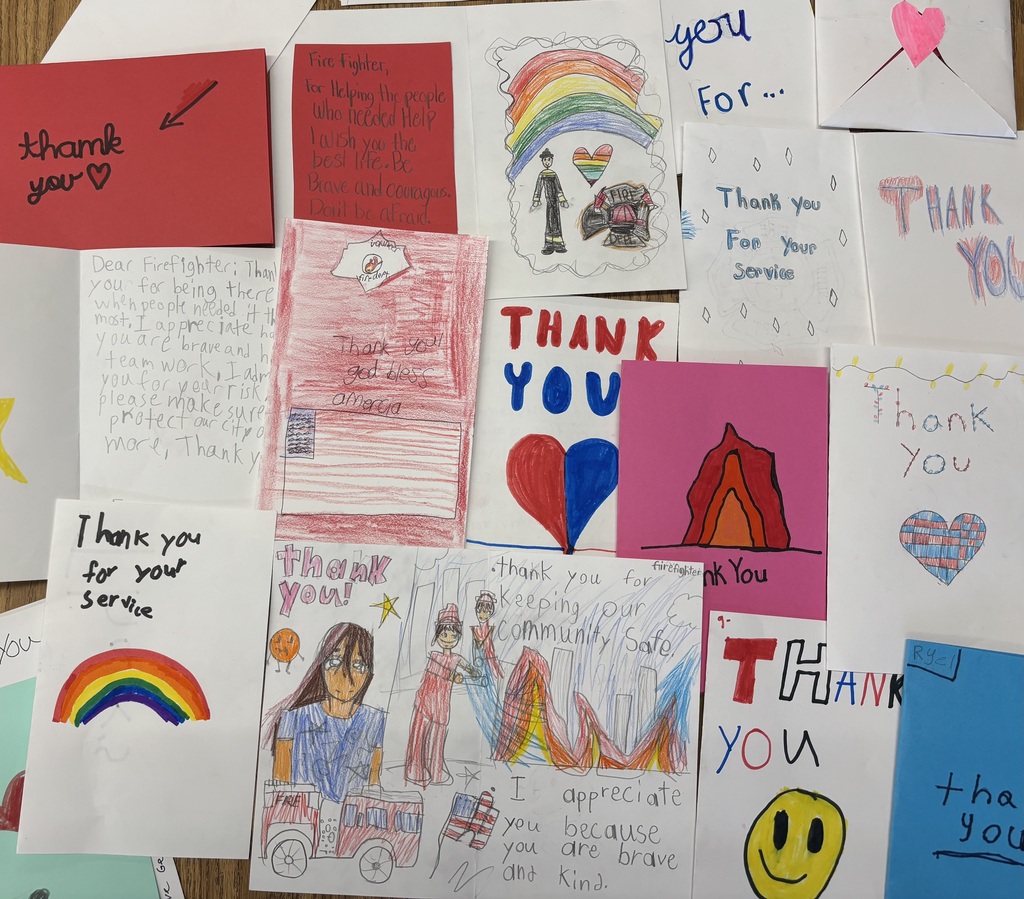
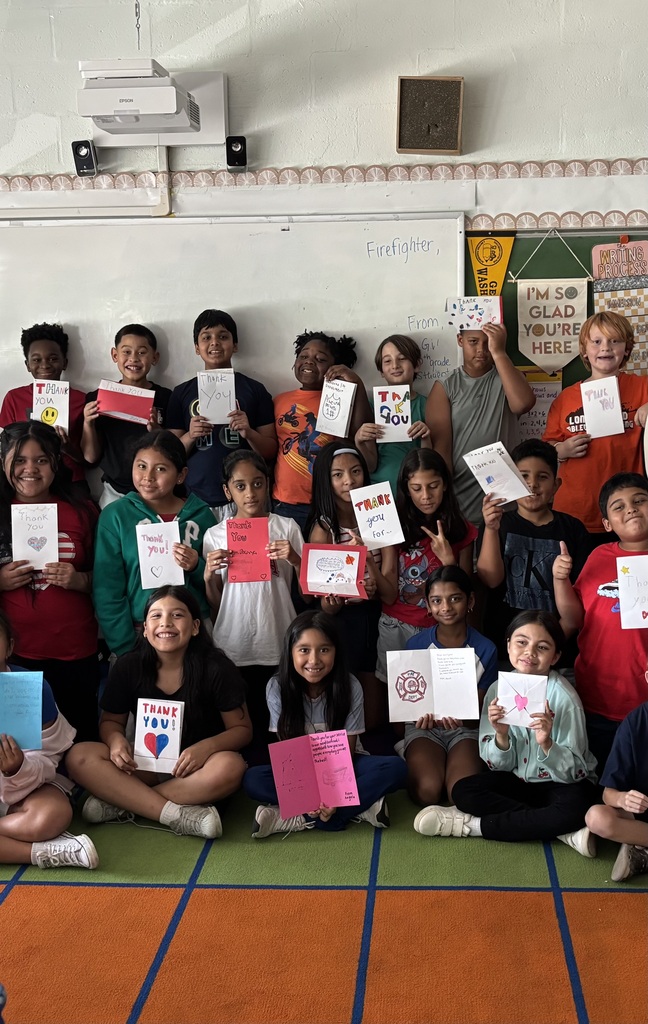
On 9/11, Ms. Kaminski’s class took a moment to show their gratitude to our local firefighters by writing heartfelt cards thanking them for their dedication and service as first responders. We are grateful for those who continue to serve and protect our communities.

Today, our students paused to remember and honor the lives lost on September 11, 2001. With flags placed across our lawn and a moment of silence, we came together to remember, reflect, and never forget.
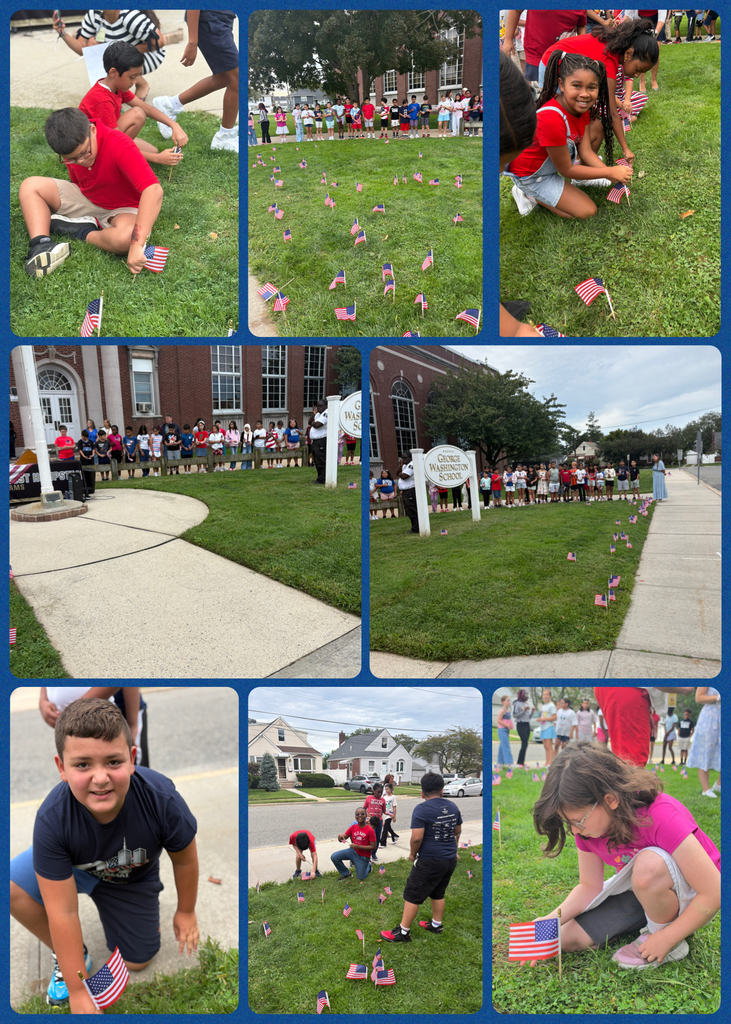
A few more moments from today’s 9/11 remembrance ceremony. Our students honored those we lost with quiet reflection, respect, and a moment of silence. Their thoughtful participation reminds us to always remember.