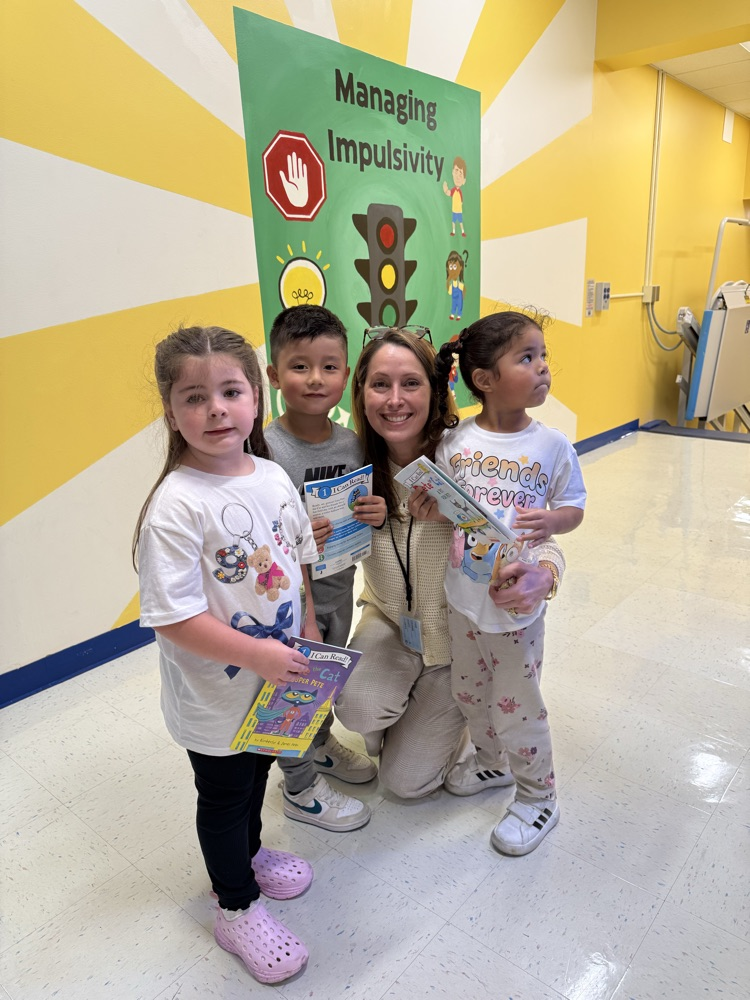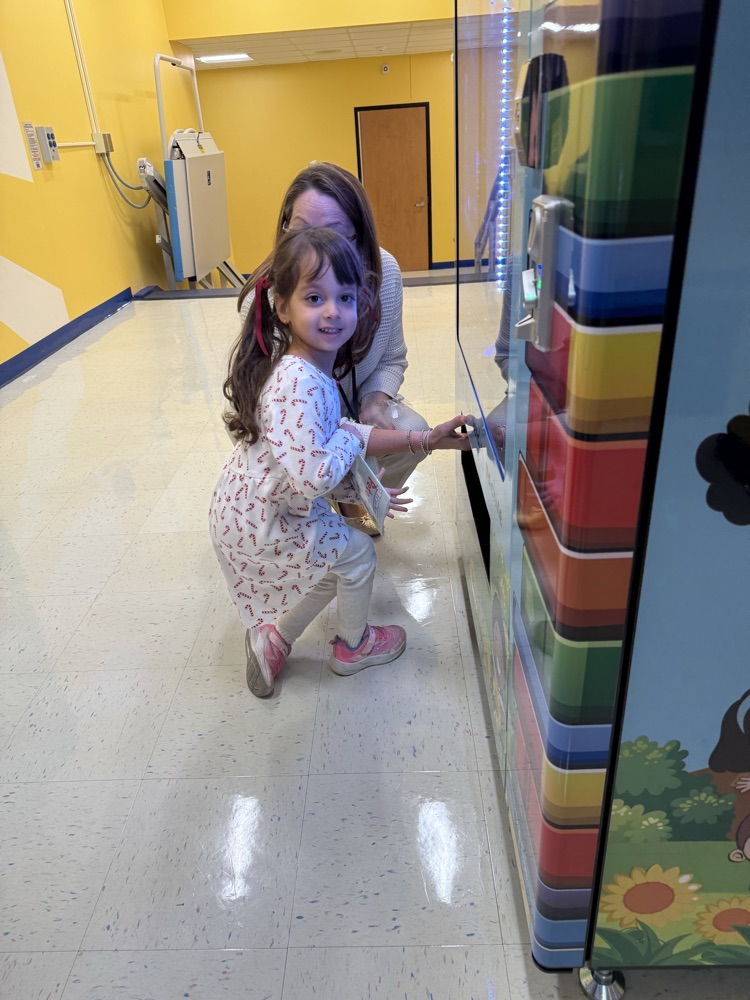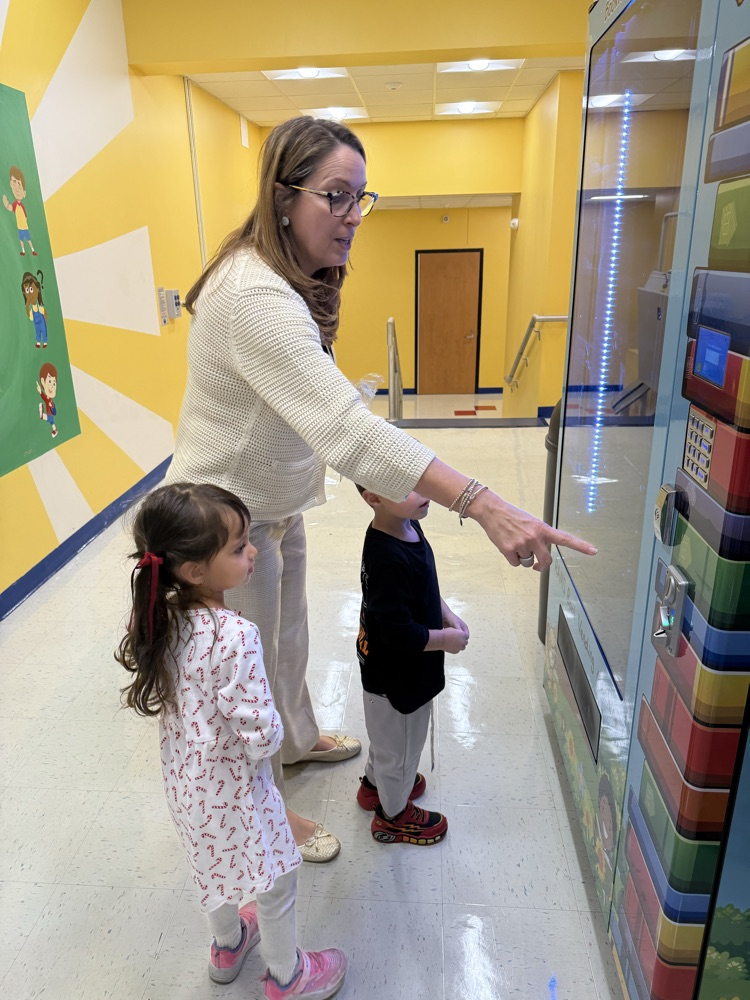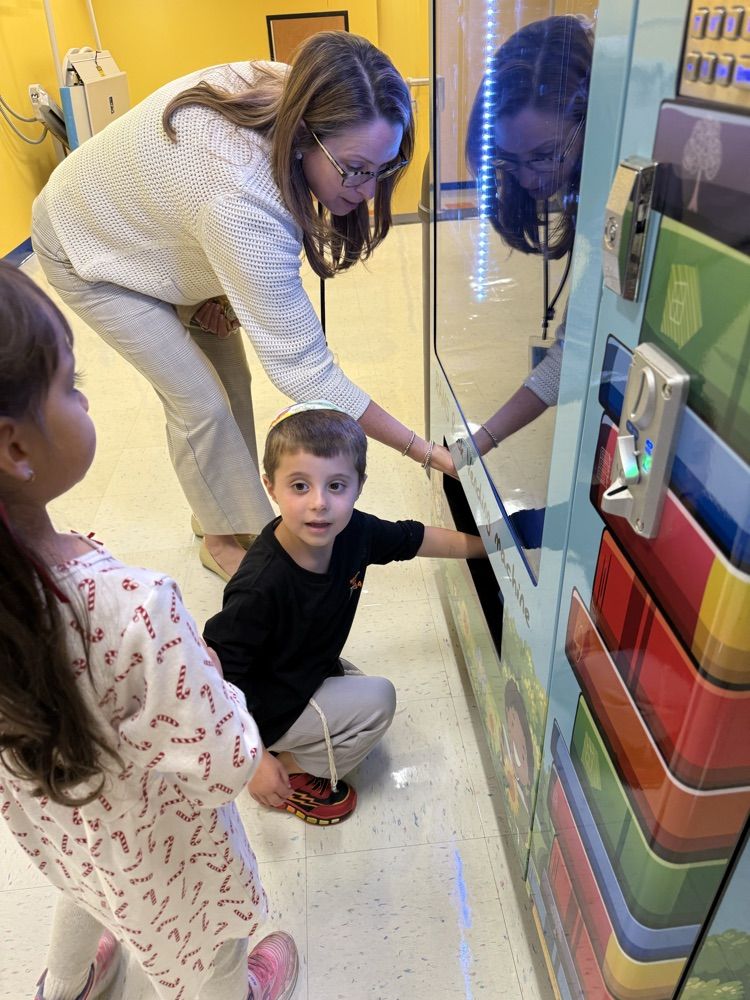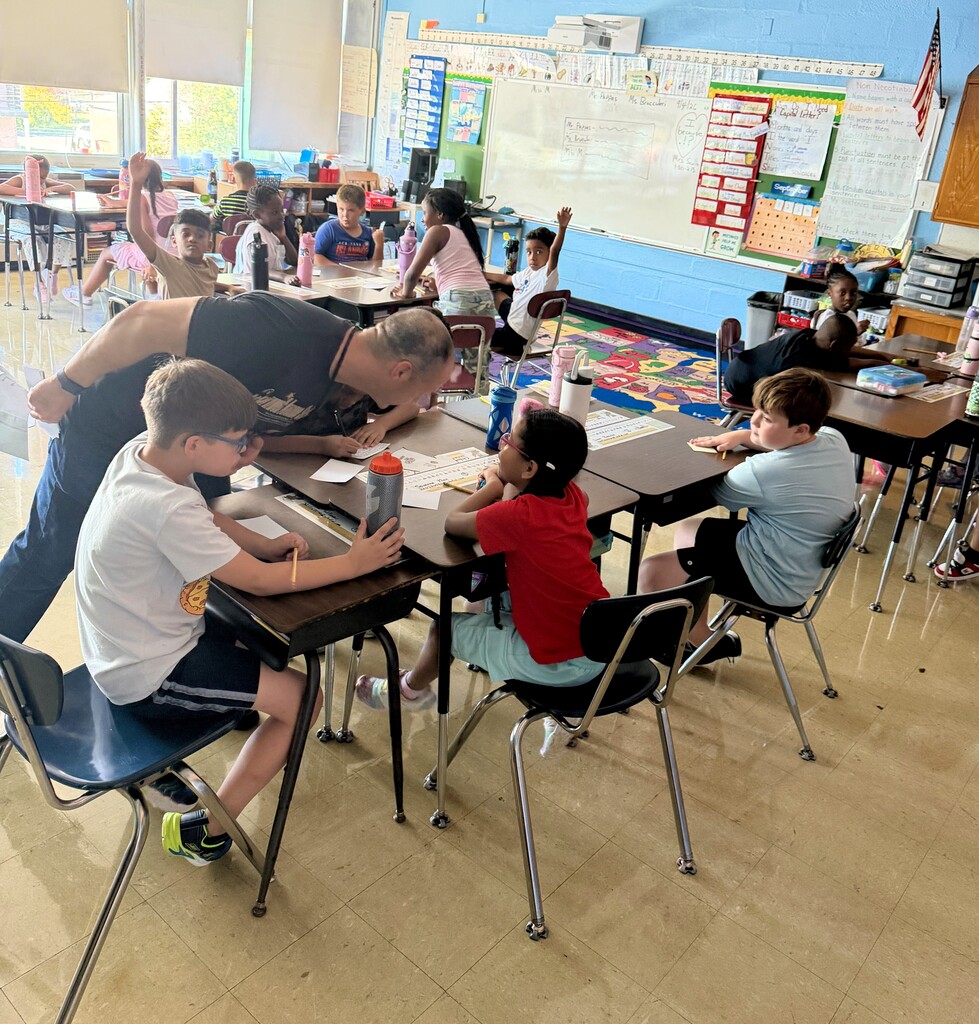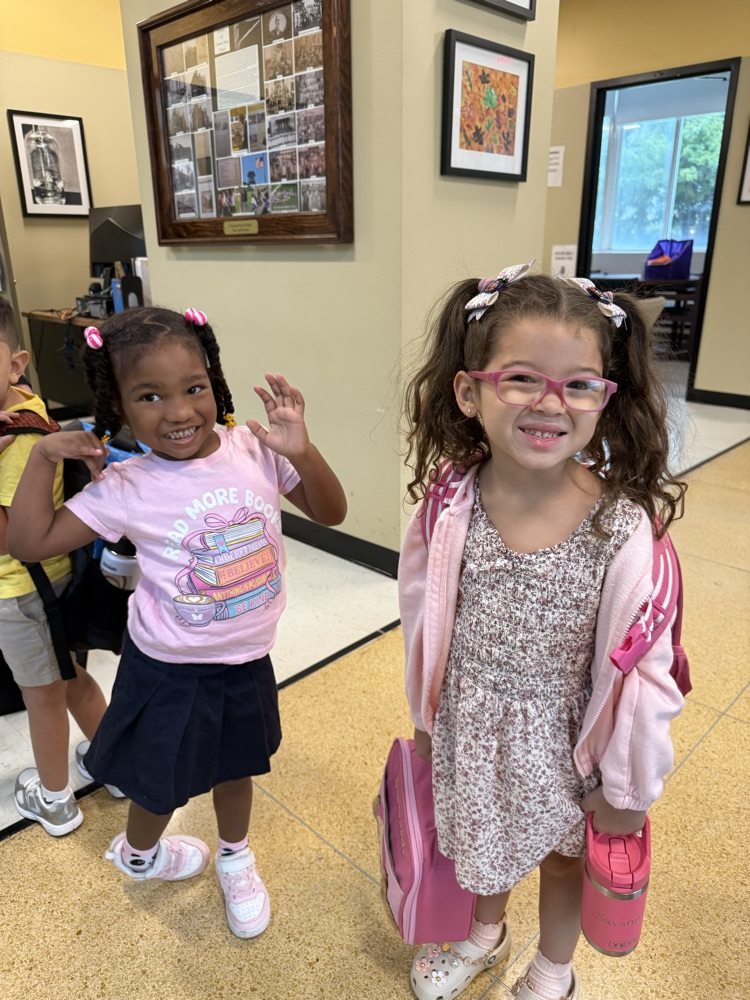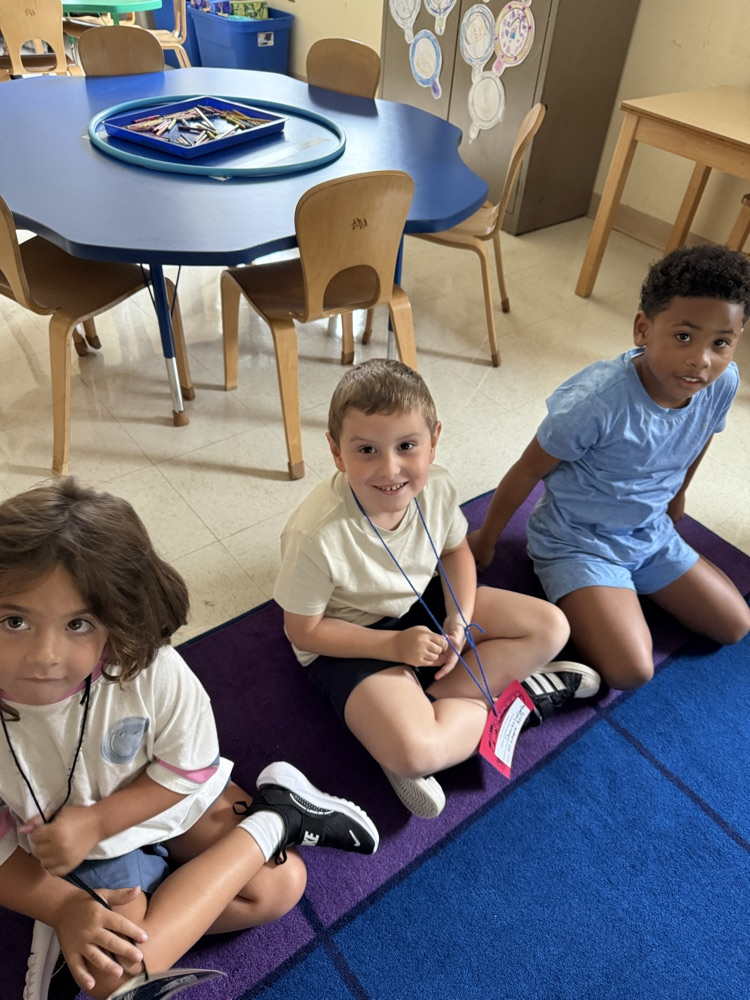
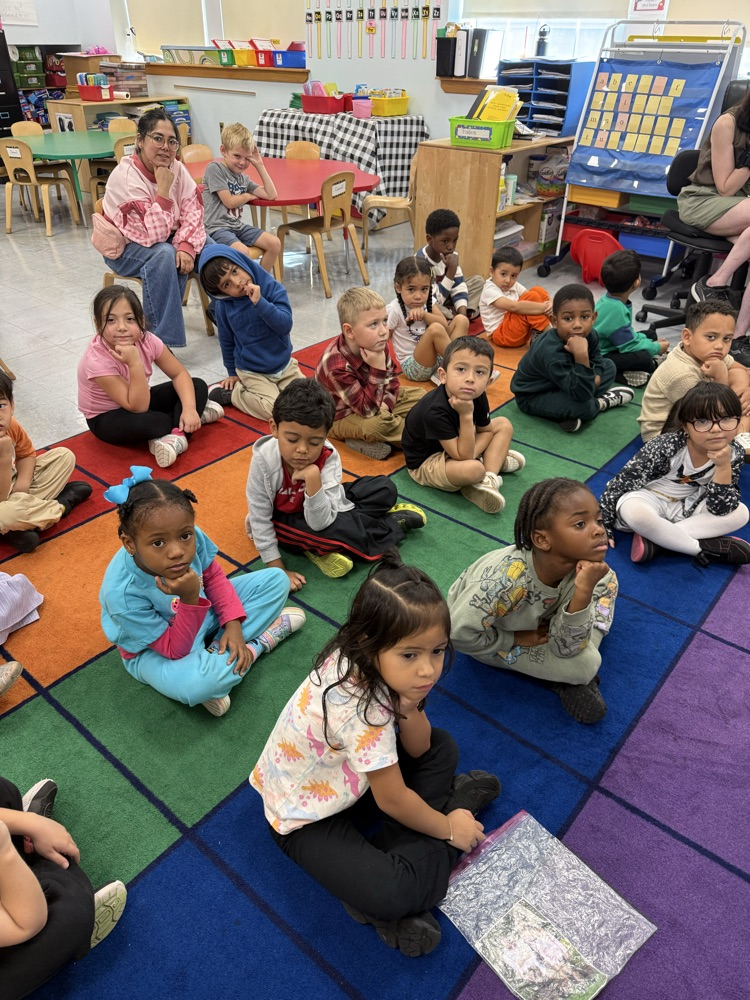
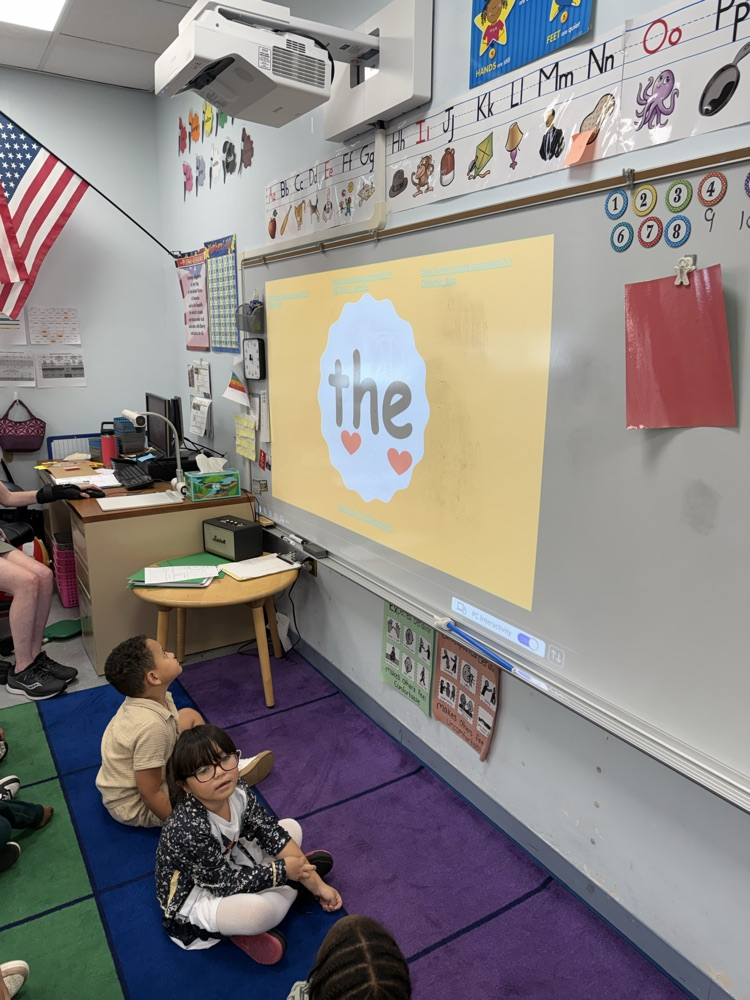
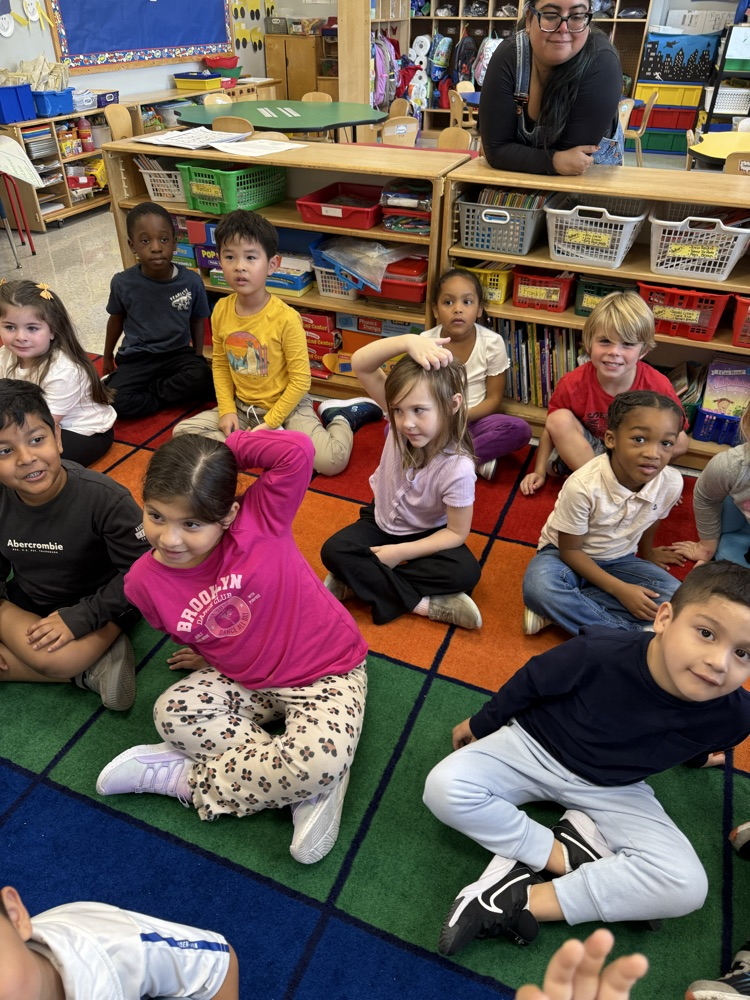
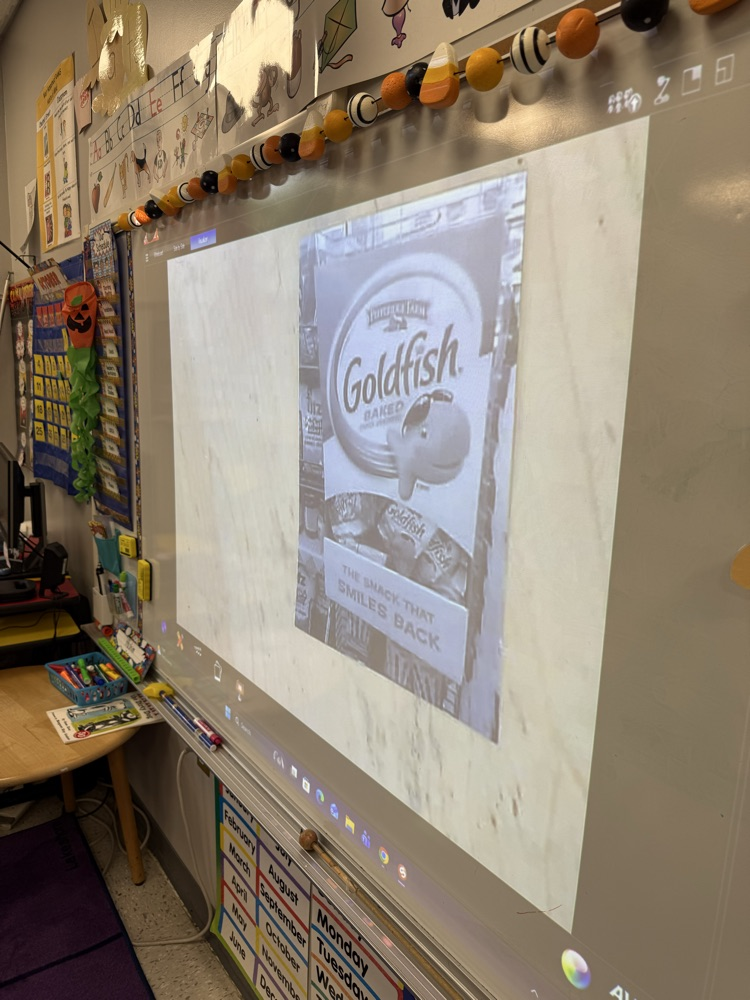
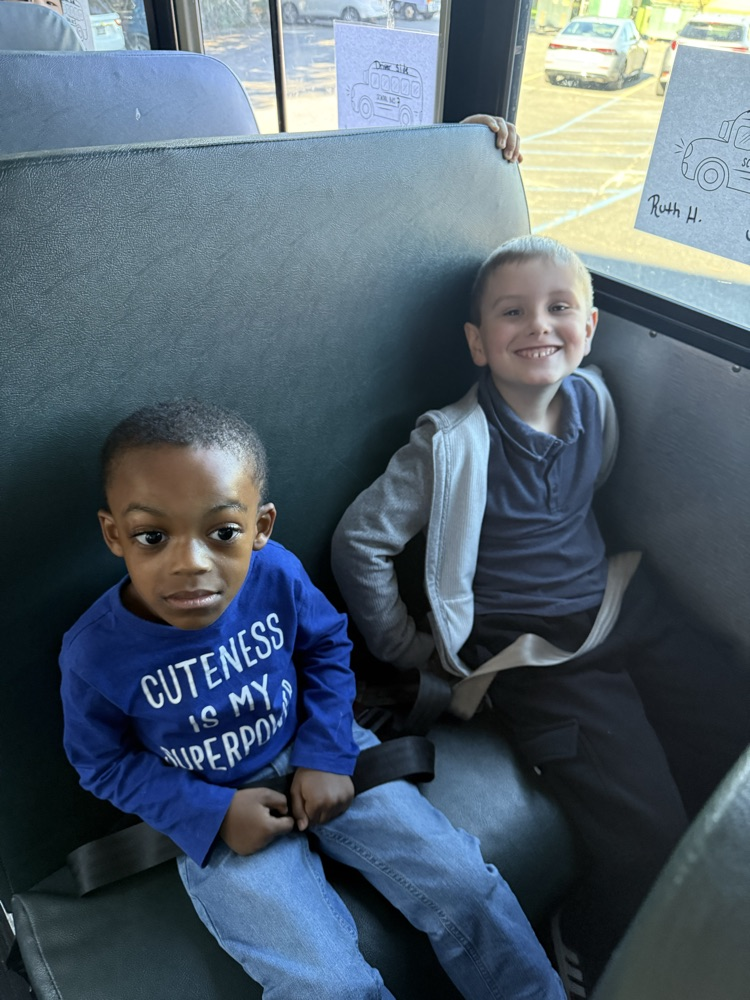
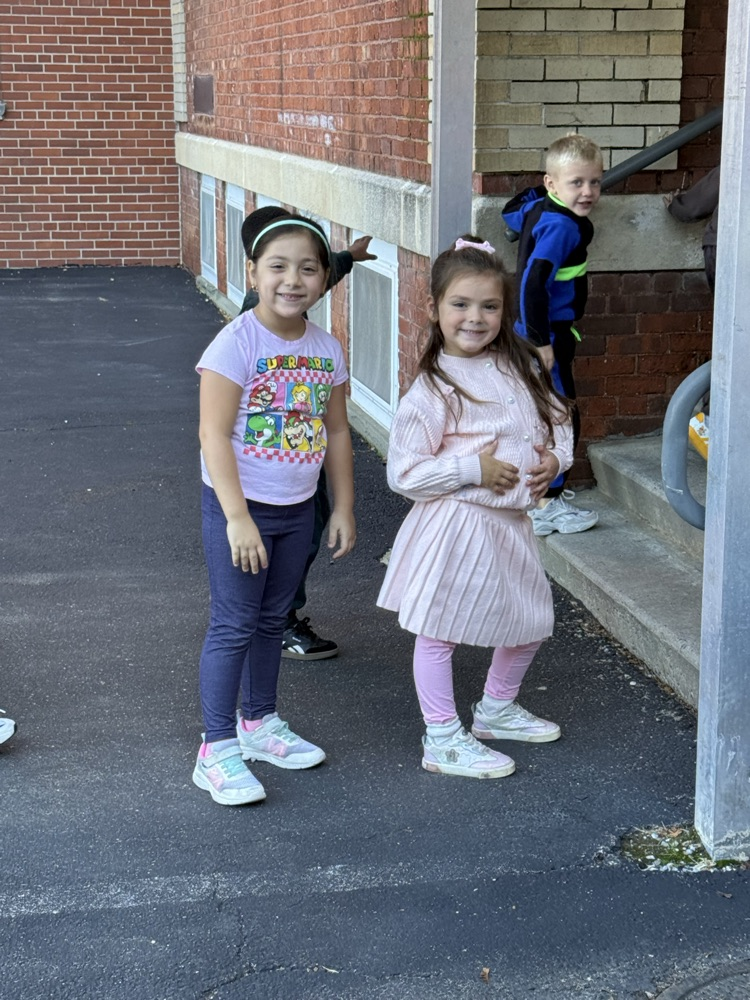
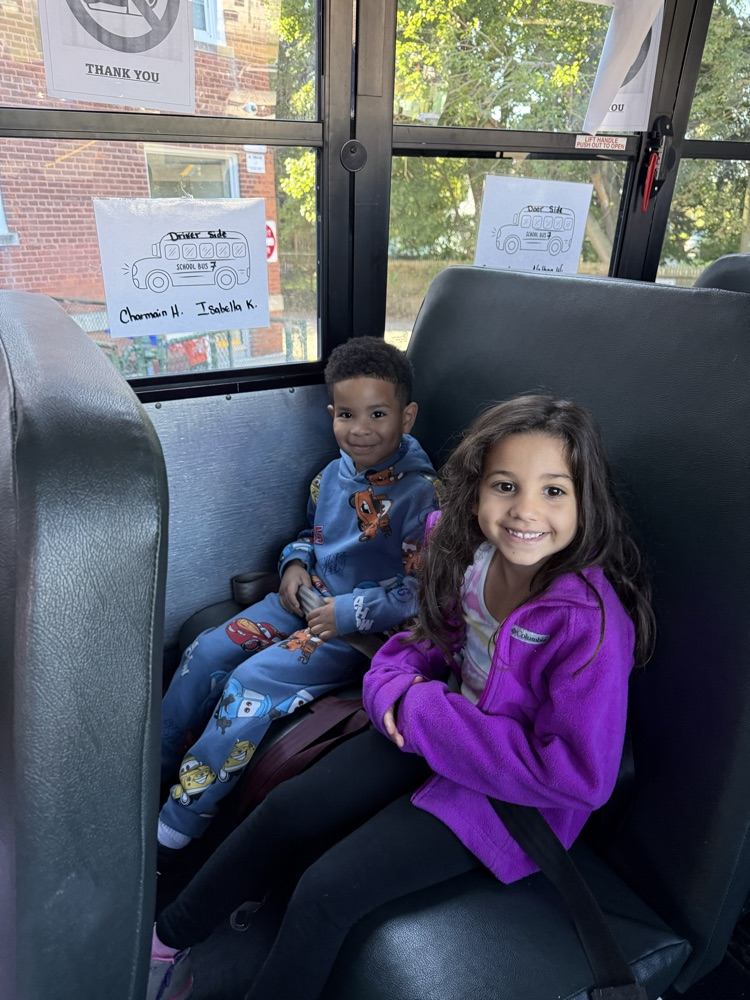
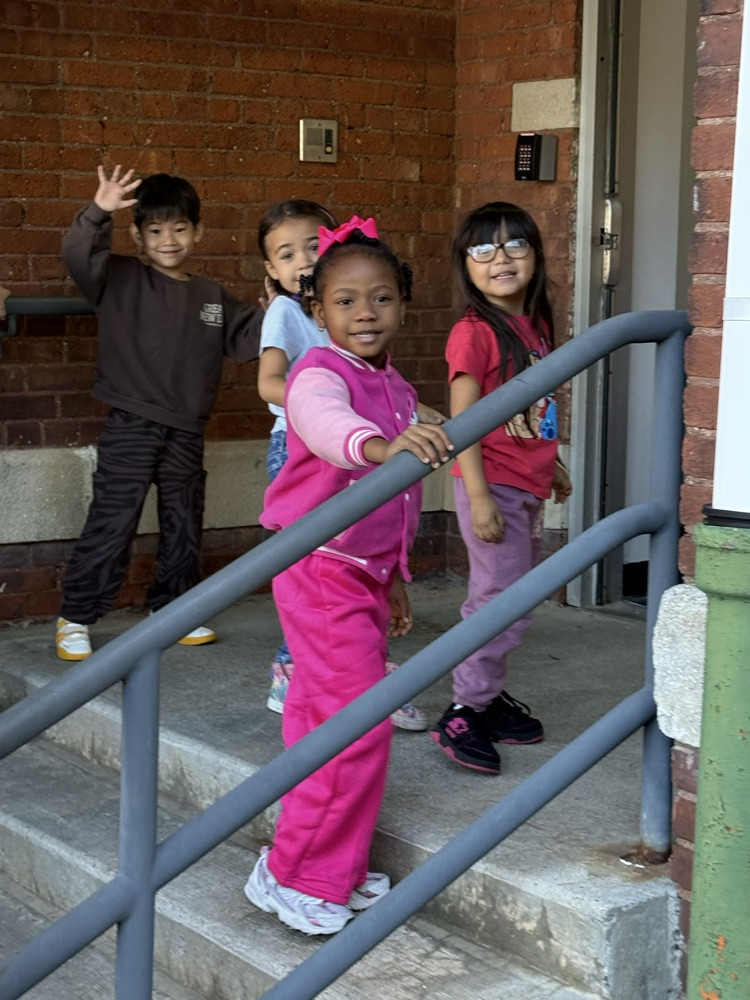
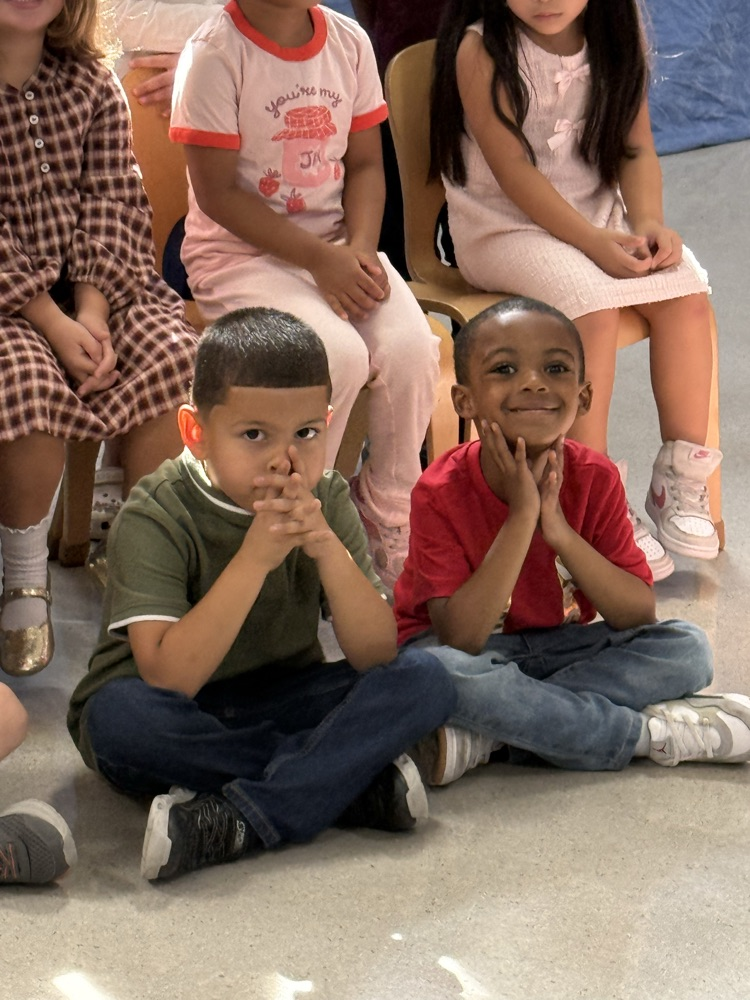
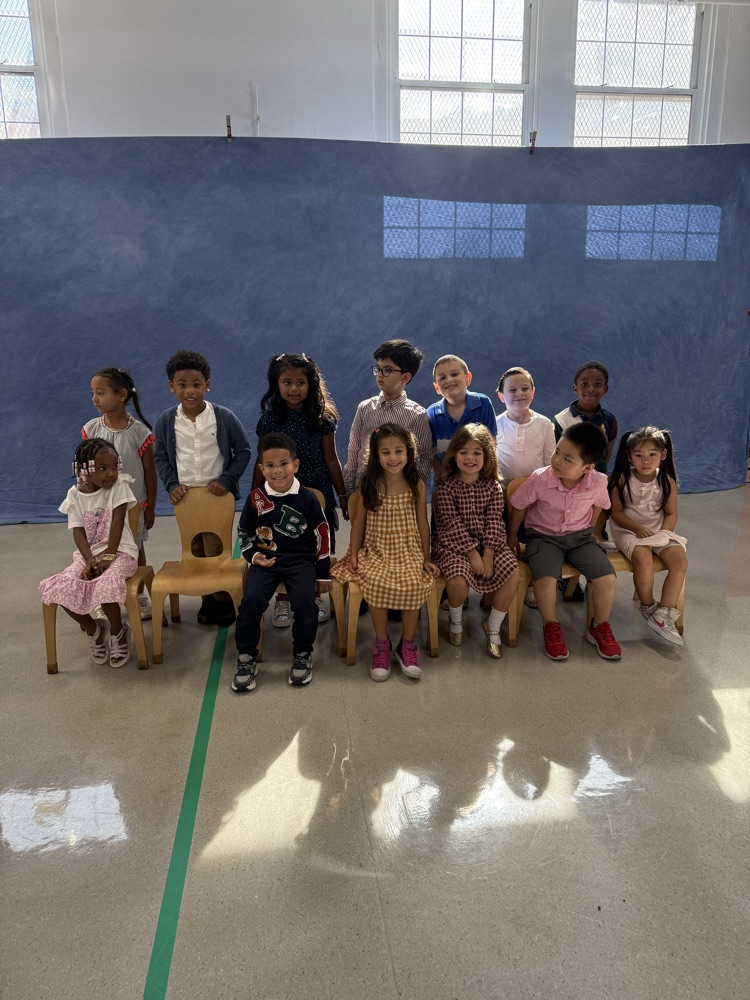
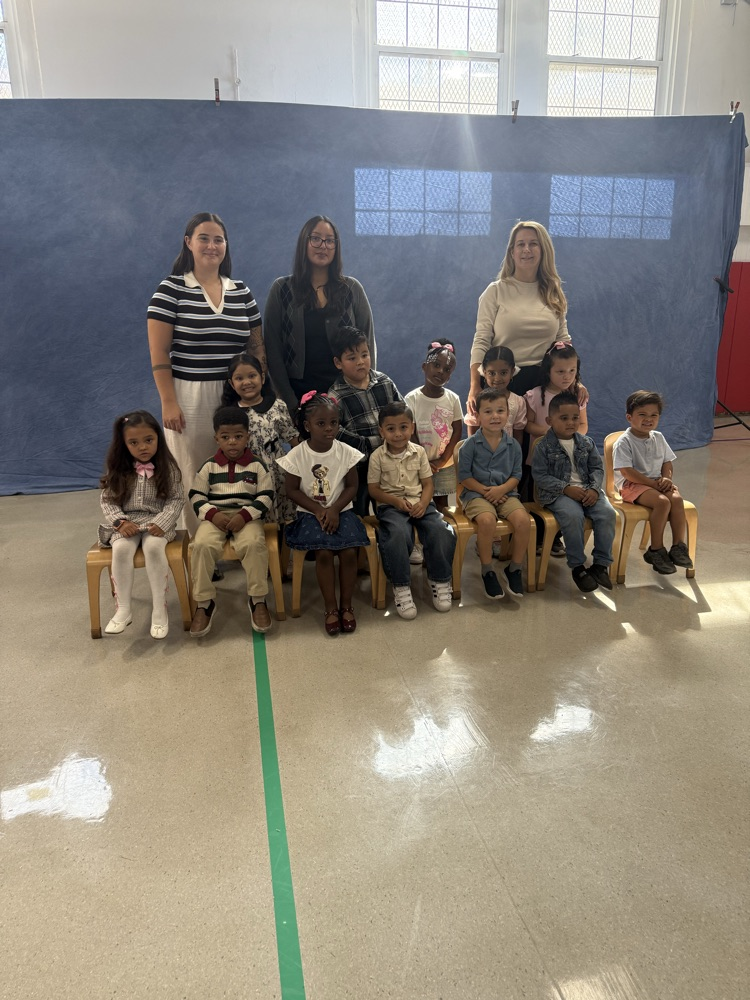
Chestnut kindergarteners are fully engaged in literacy learning this morning! We are reviewing our sight words and reading with one another. Be sure to read every night at home!


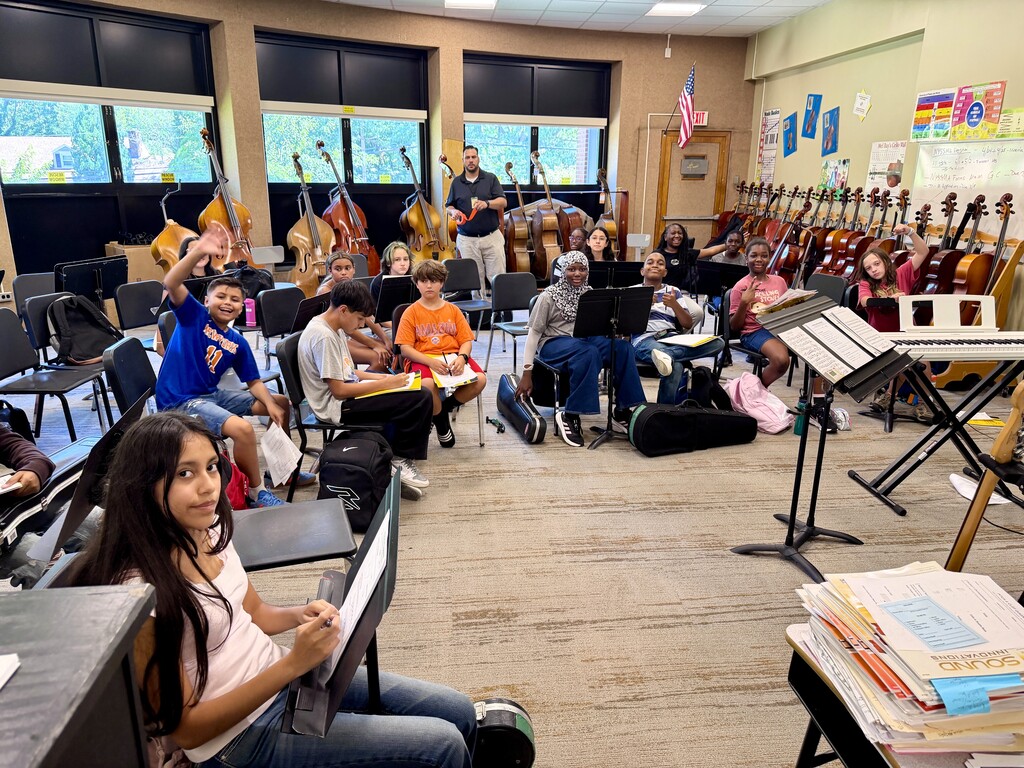
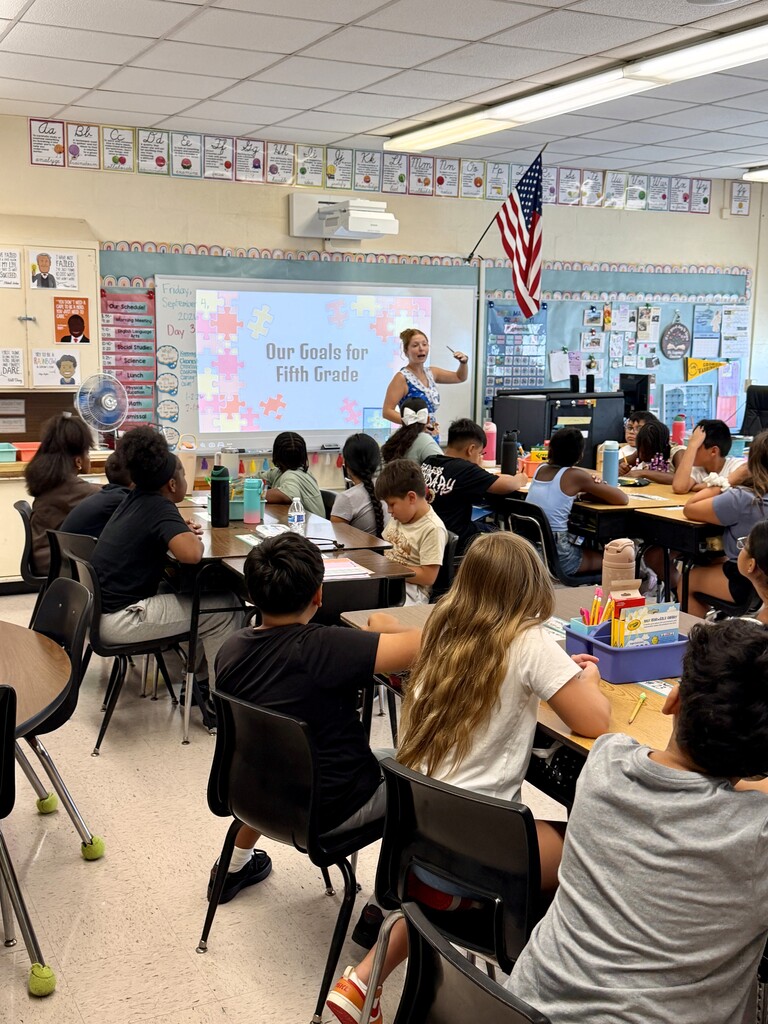
Learning in action! 📚✨ From choir performances to phonics practice, from small group instruction to collaborative learning in the hallway—our students are thriving! Every space is a place to grow. #WHerRiseTogether


It might be cold outside but inside Chestnut Street, kindergarteners are warming up by using their cognitive abilities. We have started the day by matching letters with sounds and measuring objects around our classrooms!


🕎 Happy Hanukkah to all celebrating the Festival of Lights! May these eight nights bring joy, hope, and brightness to your homes. We're grateful for our diverse community where we learn from and celebrate with one another. Chag Sameach! ✨

Mrs. Wagner's class had a wonderful visit from SS debate club students and Mrs. Shannon. The SS students read kindergarten classics and then spent time crafting bookmarks with our students! Thank you!


Chestnut kindergarteners are active learners! They are building deeper understanding by exploring, moving, talking, and discovering new concepts through hands-on experiences. Take a look!


📚 Our December Literacy Newsletter is here! Discover how our students are growing as readers & writers, plus simple ways to build literacy at home this holiday season. From cozy read-alouds to recipe reading—every moment counts! #WHeRiseTogether https://tinyurl.com/56zyp8n6

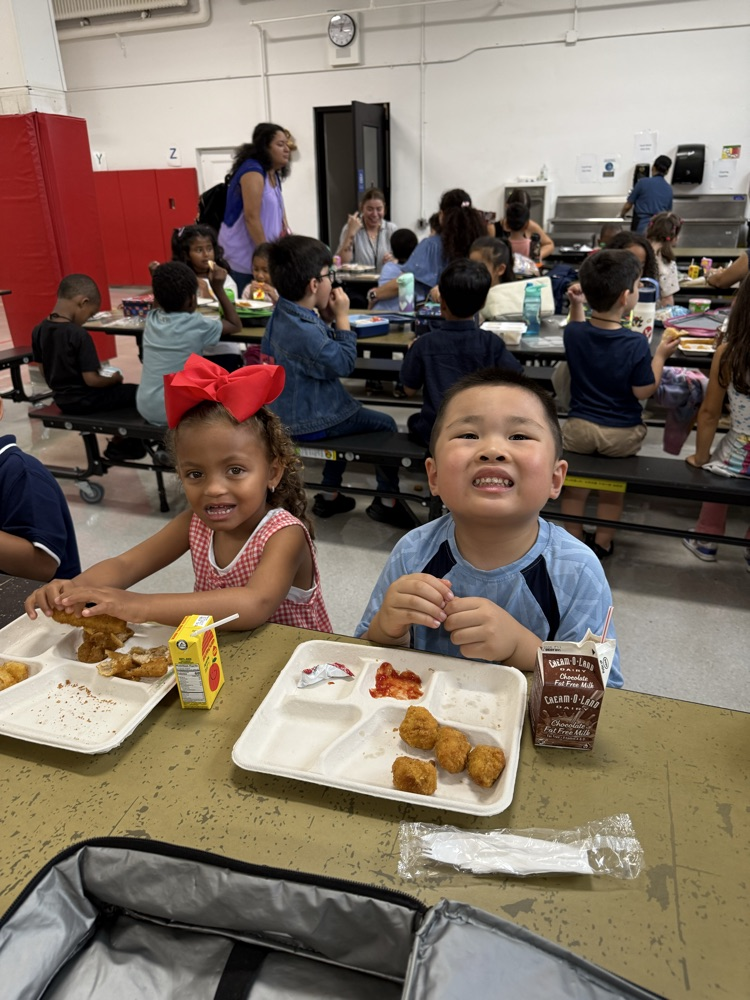
Happening Now....Chestnutters are enjoying some pre-thanksgiving activities and feasts!! Check us out....


I got to start my day in Mrs. Wagner's room with "alphabet movement." Alphabet movement is the practice of using physical actions to learn the alphabet. This type of activity helps build stronger connections for learning letter-sound pairings and better physical health.


Closing the Vocabulary Gap Through Independent Reading
As educators, we talk a lot about achievement gaps and opportunity gaps. But underlying many of these is something more fundamental: the vocabulary gap.
Research consistently shows that vocabulary knowledge in early grades is one of the strongest predictors of reading comprehension and academic achievement in later years. Students with larger vocabularies comprehend more, learn faster, and achieve higher outcomes across every subject area.
So how do we build vocabulary? Not primarily through vocabulary lists and weekly quizzes, though those have their place. The most effective vocabulary instruction happens almost invisibly—through wide, voluminous reading.
When students read extensively, they encounter words repeatedly in varied contexts. They develop an intuitive sense of word meanings, connotations, and appropriate usage. They build not just vocabulary, but the sophisticated language comprehension that separates strong readers from struggling ones.
The problem? Many of our students simply aren't reading enough. The average American student reads only 10-15 minutes per day outside of school. That's not enough exposure to build the vocabulary necessary for academic success.
Here's what makes a difference:
· Prioritize reading volume: Ten books at the right level beats one frustratingly difficult book
· Honor student choice: A book they'll actually finish beats a "better" book they'll abandon
· Count all reading: Magazines, graphic novels, audiobooks, online articles—it all contributes
· Create reading time: Make it non-negotiable, like brushing teeth
· Model reading: Let your children see you read for pleasure
This week, help your child set a reading goal—not based on difficulty, but on volume. Twenty minutes daily, every day. Track it. Celebrate it. Protect it from other activities.
Their vocabulary—and their future—will thank you.
"Once you learn to read, you will be forever free." - Frederick Douglass
Let's give every child this freedom through the gift of words.
#WHeRiseTogether#VocabularyDevelopment #ReadingVolume #LiteracyForAl
As educators, we talk a lot about achievement gaps and opportunity gaps. But underlying many of these is something more fundamental: the vocabulary gap.
Research consistently shows that vocabulary knowledge in early grades is one of the strongest predictors of reading comprehension and academic achievement in later years. Students with larger vocabularies comprehend more, learn faster, and achieve higher outcomes across every subject area.
So how do we build vocabulary? Not primarily through vocabulary lists and weekly quizzes, though those have their place. The most effective vocabulary instruction happens almost invisibly—through wide, voluminous reading.
When students read extensively, they encounter words repeatedly in varied contexts. They develop an intuitive sense of word meanings, connotations, and appropriate usage. They build not just vocabulary, but the sophisticated language comprehension that separates strong readers from struggling ones.
The problem? Many of our students simply aren't reading enough. The average American student reads only 10-15 minutes per day outside of school. That's not enough exposure to build the vocabulary necessary for academic success.
Here's what makes a difference:
· Prioritize reading volume: Ten books at the right level beats one frustratingly difficult book
· Honor student choice: A book they'll actually finish beats a "better" book they'll abandon
· Count all reading: Magazines, graphic novels, audiobooks, online articles—it all contributes
· Create reading time: Make it non-negotiable, like brushing teeth
· Model reading: Let your children see you read for pleasure
This week, help your child set a reading goal—not based on difficulty, but on volume. Twenty minutes daily, every day. Track it. Celebrate it. Protect it from other activities.
Their vocabulary—and their future—will thank you.
"Once you learn to read, you will be forever free." - Frederick Douglass
Let's give every child this freedom through the gift of words.
#WHeRiseTogether#VocabularyDevelopment #ReadingVolume #LiteracyForAl

As educators, we talk a lot about achievement gaps and opportunity gaps. But underlying many of these is something more fundamental: the vocabulary gap.
Research consistently shows that vocabulary knowledge in early grades is one of the strongest predictors of reading comprehension and academic achievement in later years. Students with larger vocabularies comprehend more, learn faster, and achieve higher outcomes across every subject area.
So how do we build vocabulary? Not primarily through vocabulary lists and weekly quizzes, though those have their place. The most effective vocabulary instruction happens almost invisibly—through wide, voluminous reading.
When students read extensively, they encounter words repeatedly in varied contexts. They develop an intuitive sense of word meanings, connotations, and appropriate usage. They build not just vocabulary, but the sophisticated language comprehension that separates strong readers from struggling ones.
The problem? Many of our students simply aren't reading enough. The average American student reads only 10-15 minutes per day outside of school. That's not enough exposure to build the vocabulary necessary for academic success.
Here's what makes a difference:
· Prioritize reading volume: Ten books at the right level beats one frustratingly difficult book
· Honor student choice: A book they'll actually finish beats a "better" book they'll abandon
· Count all reading: Magazines, graphic novels, audiobooks, online articles—it all contributes
· Create reading time: Make it non-negotiable, like brushing teeth
· Model reading: Let your children see you read for pleasure
This week, help your child set a reading goal—not based on difficulty, but on volume. Twenty minutes daily, every day. Track it. Celebrate it. Protect it from other activities.
Their vocabulary—and their future—will thank you.
"Once you learn to read, you will be forever free." - Frederick Douglass
Let's give every child this freedom through the gift of words.
#WHeRiseTogether#VocabularyDevelopment #ReadingVolume #LiteracyForAl
Research consistently shows that vocabulary knowledge in early grades is one of the strongest predictors of reading comprehension and academic achievement in later years. Students with larger vocabularies comprehend more, learn faster, and achieve higher outcomes across every subject area.
So how do we build vocabulary? Not primarily through vocabulary lists and weekly quizzes, though those have their place. The most effective vocabulary instruction happens almost invisibly—through wide, voluminous reading.
When students read extensively, they encounter words repeatedly in varied contexts. They develop an intuitive sense of word meanings, connotations, and appropriate usage. They build not just vocabulary, but the sophisticated language comprehension that separates strong readers from struggling ones.
The problem? Many of our students simply aren't reading enough. The average American student reads only 10-15 minutes per day outside of school. That's not enough exposure to build the vocabulary necessary for academic success.
Here's what makes a difference:
· Prioritize reading volume: Ten books at the right level beats one frustratingly difficult book
· Honor student choice: A book they'll actually finish beats a "better" book they'll abandon
· Count all reading: Magazines, graphic novels, audiobooks, online articles—it all contributes
· Create reading time: Make it non-negotiable, like brushing teeth
· Model reading: Let your children see you read for pleasure
This week, help your child set a reading goal—not based on difficulty, but on volume. Twenty minutes daily, every day. Track it. Celebrate it. Protect it from other activities.
Their vocabulary—and their future—will thank you.
"Once you learn to read, you will be forever free." - Frederick Douglass
Let's give every child this freedom through the gift of words.
#WHeRiseTogether#VocabularyDevelopment #ReadingVolume #LiteracyForAl

Closing the Vocabulary Gap Through Independent Reading
As educators, we talk a lot about achievement gaps and opportunity gaps. But underlying many of these is something more fundamental: the vocabulary gap.
Research consistently shows that vocabulary knowledge in early grades is one of the strongest predictors of reading comprehension and academic achievement in later years. Students with larger vocabularies comprehend more, learn faster, and achieve higher outcomes across every subject area.
So how do we build vocabulary? Not primarily through vocabulary lists and weekly quizzes, though those have their place. The most effective vocabulary instruction happens almost invisibly—through wide, voluminous reading.
When students read extensively, they encounter words repeatedly in varied contexts. They develop an intuitive sense of word meanings, connotations, and appropriate usage. They build not just vocabulary, but the sophisticated language comprehension that separates strong readers from struggling ones.
The problem? Many of our students simply aren't reading enough. The average American student reads only 10-15 minutes per day outside of school. That's not enough exposure to build the vocabulary necessary for academic success.
Here's what makes a difference:
· Prioritize reading volume: Ten books at the right level beats one frustratingly difficult book
· Honor student choice: A book they'll actually finish beats a "better" book they'll abandon
· Count all reading: Magazines, graphic novels, audiobooks, online articles—it all contributes
· Create reading time: Make it non-negotiable, like brushing teeth
· Model reading: Let your children see you read for pleasure
This week, help your child set a reading goal—not based on difficulty, but on volume. Twenty minutes daily, every day. Track it. Celebrate it. Protect it from other activities.
Their vocabulary—and their future—will thank you.
"Once you learn to read, you will be forever free." - Frederick Douglass
Let's give every child this freedom through the gift of words.
#WHeRiseTogether#VocabularyDevelopment #ReadingVolume #LiteracyForAll #EducationLeadership
As educators, we talk a lot about achievement gaps and opportunity gaps. But underlying many of these is something more fundamental: the vocabulary gap.
Research consistently shows that vocabulary knowledge in early grades is one of the strongest predictors of reading comprehension and academic achievement in later years. Students with larger vocabularies comprehend more, learn faster, and achieve higher outcomes across every subject area.
So how do we build vocabulary? Not primarily through vocabulary lists and weekly quizzes, though those have their place. The most effective vocabulary instruction happens almost invisibly—through wide, voluminous reading.
When students read extensively, they encounter words repeatedly in varied contexts. They develop an intuitive sense of word meanings, connotations, and appropriate usage. They build not just vocabulary, but the sophisticated language comprehension that separates strong readers from struggling ones.
The problem? Many of our students simply aren't reading enough. The average American student reads only 10-15 minutes per day outside of school. That's not enough exposure to build the vocabulary necessary for academic success.
Here's what makes a difference:
· Prioritize reading volume: Ten books at the right level beats one frustratingly difficult book
· Honor student choice: A book they'll actually finish beats a "better" book they'll abandon
· Count all reading: Magazines, graphic novels, audiobooks, online articles—it all contributes
· Create reading time: Make it non-negotiable, like brushing teeth
· Model reading: Let your children see you read for pleasure
This week, help your child set a reading goal—not based on difficulty, but on volume. Twenty minutes daily, every day. Track it. Celebrate it. Protect it from other activities.
Their vocabulary—and their future—will thank you.
"Once you learn to read, you will be forever free." - Frederick Douglass
Let's give every child this freedom through the gift of words.
#WHeRiseTogether#VocabularyDevelopment #ReadingVolume #LiteracyForAll #EducationLeadership

CS kindergartners are learning all about the fall. They have gone on scavenger hunts and read about Thanksgiving meals. Be sure to ask them what they've learned so far!


Level Up Your Vocabulary (Without Flashcards!)
Secret weapon for better grades, stronger writing, and sounding smarter? READ.
Every book you read teaches you new words in context—which means you actually remember and use them, unlike those vocab lists you cram and forget.
Mystery novels, graphic novels, fantasy series—they ALL count. Just read something you enjoy and watch your word power grow.
#WHeRiseTogether#VocabularyGoals #ReadMore #SmartReading #BookPowerLevel Up Your Vocabulary (Without Flashcards!)
Secret weapon for better grades, stronger writing, and sounding smarter? READ.
Every book you read teaches you new words in context—which means you actually remember and use them, unlike those vocab lists you cram and forget.
Mystery novels, graphic novels, fantasy series—they ALL count. Just read something you enjoy and watch your word power grow.
#WHeRiseTogether#VocabularyGoals #ReadMore #SmartReading #BookPower
Secret weapon for better grades, stronger writing, and sounding smarter? READ.
Every book you read teaches you new words in context—which means you actually remember and use them, unlike those vocab lists you cram and forget.
Mystery novels, graphic novels, fantasy series—they ALL count. Just read something you enjoy and watch your word power grow.
#WHeRiseTogether#VocabularyGoals #ReadMore #SmartReading #BookPowerLevel Up Your Vocabulary (Without Flashcards!)
Secret weapon for better grades, stronger writing, and sounding smarter? READ.
Every book you read teaches you new words in context—which means you actually remember and use them, unlike those vocab lists you cram and forget.
Mystery novels, graphic novels, fantasy series—they ALL count. Just read something you enjoy and watch your word power grow.
#WHeRiseTogether#VocabularyGoals #ReadMore #SmartReading #BookPower

Want to boost your child's vocabulary? The answer is simple: more reading! Students learn 90% of their vocabulary through reading, not direct instruction. Every book is a vocabulary builder. #WHeRiseTogether#WordPower

Chestnut Street sends a big thank you to our PTA for treating us to a fantastical bubble show this morning! We laughed and experienced this live show together! THANK YOU PTA! Take a look at the magic of bubbles!


Shoutout to our amazing parents. educators, staff, and administrators making literacy a way of life! From foundational skills to complex analysis, you're building capable, confident thinkers who will shape tomorrow. Thank you for all you do! 👏📚 #ThankARam #WHeRiseAbove


Literacy is thriving across our district! Elementary students master phonics while older learners analyze complex texts. #WHe are #RamProud of parent sessions where families learned to use NWEA data to support reading at home. Together, #WHeRiseTogether


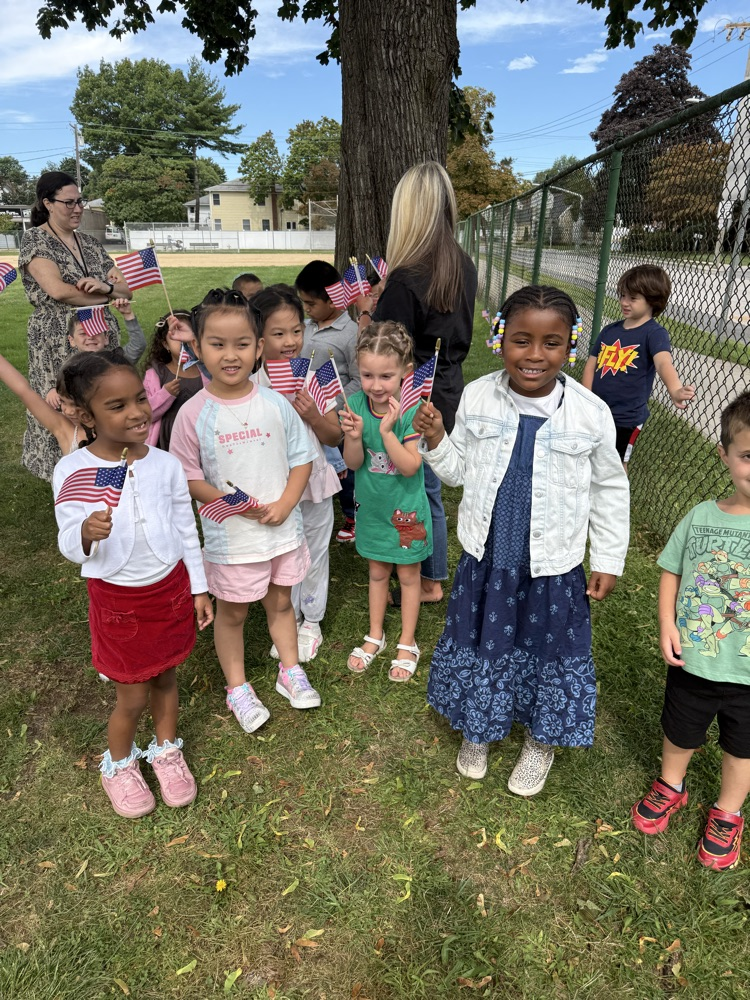
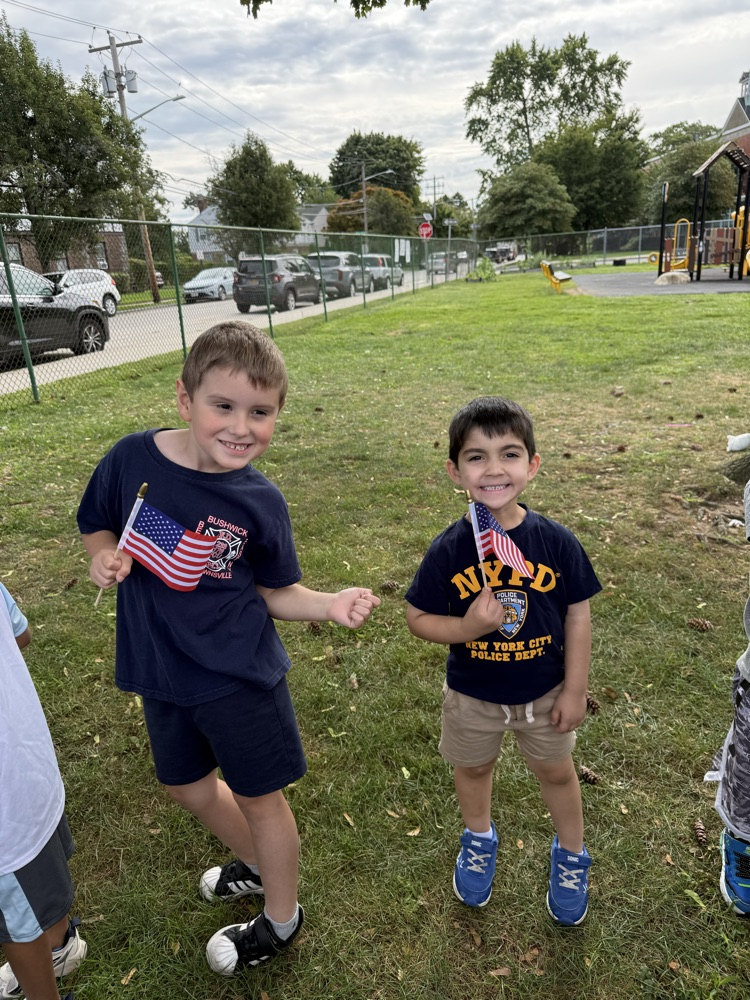
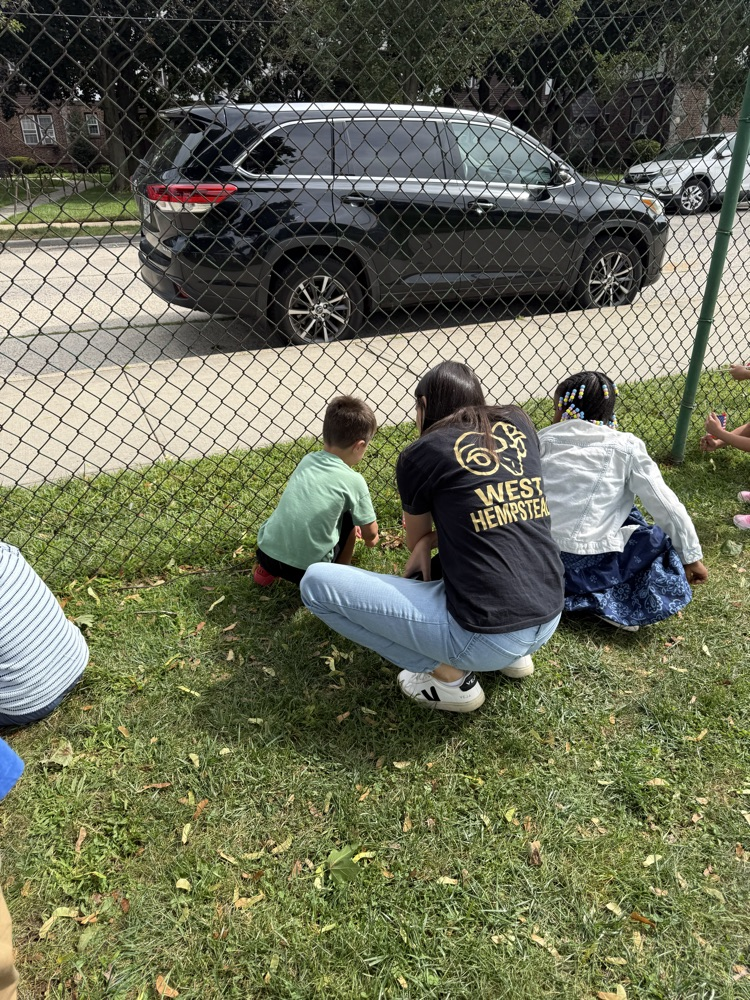
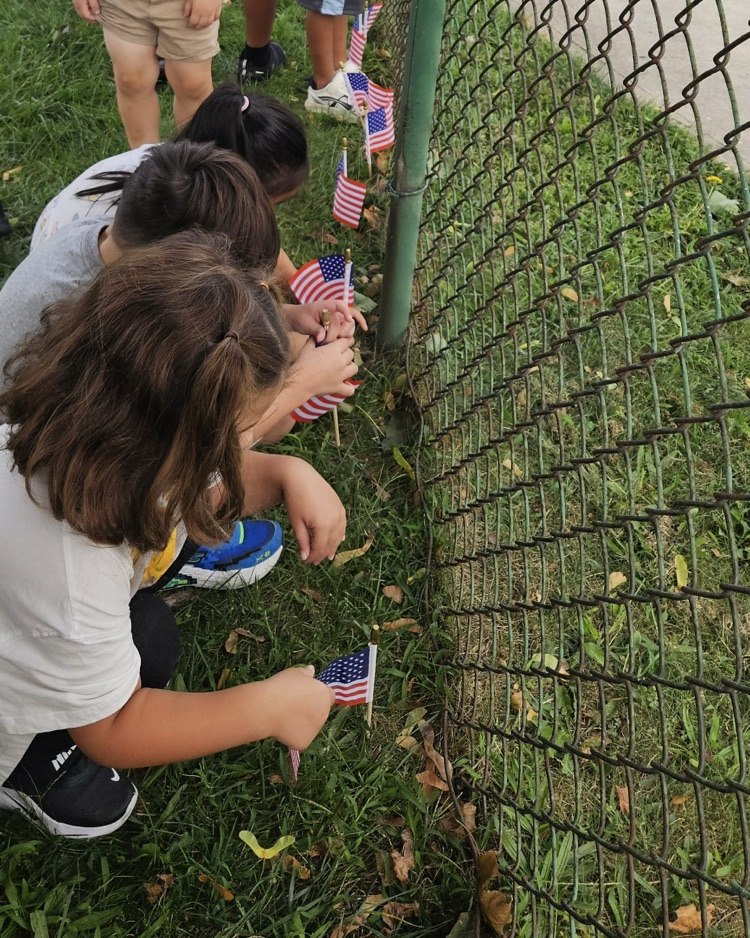
From a Kansas shoe repairman's vision to a national tribute: Alvin King believed ALL veterans deserved honor, not just WWI heroes. His 1953 push transformed Armistice Day into Veterans Day—a time to thank every American who served. 🇺🇸 #VeteransDay

Using rulers, cubes, and even their own hands, kindergartners have been comparing sizes, lengths, and heights of objects. Hands-on activities like this build early math skills, strengthen problem-solving, and help children make real-world connections to numbers and size.